

Goodbye BioWare: the end of an era and the cancelled future of Mass Effect
by Cristian Mazzini
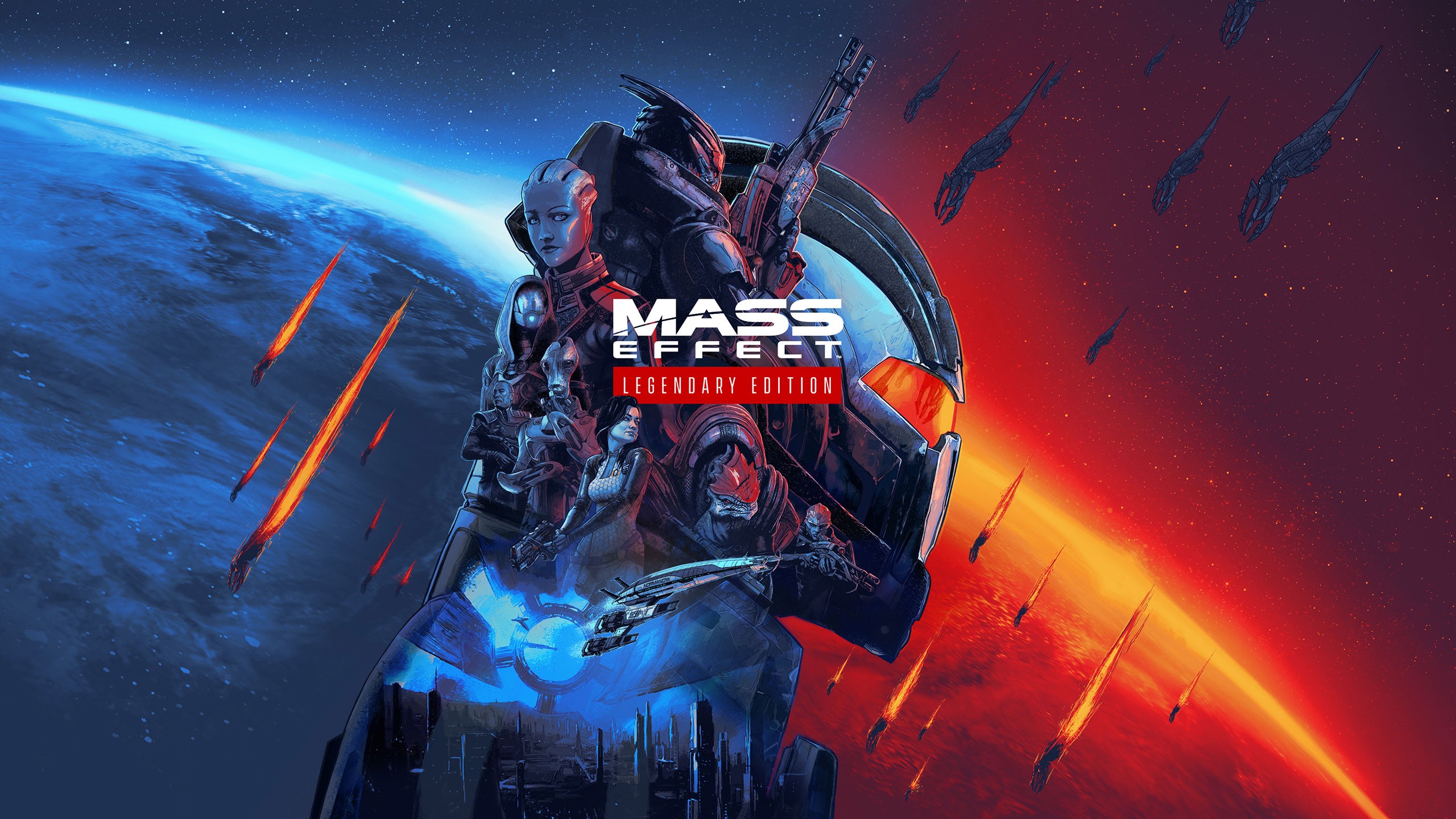
Some news leaves a profound mark on the world of video games—not just for what it signifies in the present, but, more importantly, for what it takes away. The closure of a historic studio is always sad, but when the entity that disappears is one that helped define an entire genre, the impact is inevitably different.
This is the case with BioWare, a Canadian software developer founded in 1995, which, over more than three decades, became one of the most significant names in the history of role-playing games. The studio brought to life universes, characters, and adventures that accompanied entire generations of players—from *Baldur's Gate* and *Dragon Age* to *Star Wars: Knights of the Old Republic* and, above all, *Mass Effect*.
On October 21, 2026, the official confirmation arrived: Electronic Arts decided to close BioWare and halt development on the next *Mass Effect* installment, which was still in the early stages of production. This decision marks the end of a history spanning more than thirty years and inevitably raises a question: how did things reach this point?
To understand the conclusion of BioWare’s story, one must look back at its history, reflect on what it represented for the medium, and analyze the difficulties that, in recent years, gradually diminished one of the most beloved studios in the video game industry.
BioWare: when player choices made a difference
Founded in Edmonton, Canada, in 1995, BioWare built its reputation on its ability to tell complex stories, create memorable characters, and place the player at the heart of the experience.
With *Baldur’s Gate*, released in 1998, the studio helped bring PC role-playing games back to the forefront, demonstrating just how immersive an adventure built around a party of characters, intricate dialogue, and a richly detailed universe could be. In the years that followed, other significant titles arrived—including *Neverwinter Nights* and *Star Wars: Knights of the Old Republic*—the latter of which became one of the most highly regarded role-playing games set within the *Star Wars* universe.
However, it was *Mass Effect* that truly cemented the studio’s standing with an even broader audience.
Released in 2007, the first installment transported players into an original science-fiction universe, where the decisions made throughout the adventure could shape relationships with companions, the progression of the story, and the fate of various characters.
Commander Shepard was more than just a protagonist to control; they were the starting point of a journey that every player could experience in a slightly different way.
The original trilogy forged a unique bond with its audience. Teammates were not merely tools for combat, but individuals with their own backstories, convictions, and vulnerabilities. Their personal arcs intertwined with that of the protagonist, making every choice feel all the more significant.
Meanwhile, BioWare also brought *Dragon Age* to life—a fantasy saga that incorporated many of the studio’s signature elements, set within an entirely different universe.
The success of these titles helped solidify a distinct creative identity: adventures in which storytelling, interpersonal relationships, and the player’s capacity to influence events were of fundamental importance. BioWare was not the only studio capable of creating quality role-playing games, of course, but it managed to develop a recognizable approach—to the point that its name became a guarantee for a large segment of the audience.
And it is precisely this reputation that makes the way its story ended all the more bitter.
The onset of difficulties: when the magic began to fade
It would be inaccurate to imagine BioWare as a studio that went from absolute success to closure overnight; rather, difficulties accumulated over the years, stemming from internal changes, complex production processes, and outcomes that did not always meet expectations.
A particularly challenging moment arrived with *Mass Effect 3* (2012). While the final installment of the trilogy was well-received in many respects, its ending sparked intense controversy among fans, who took issue with certain narrative choices and the way Shepard’s long journey was brought to a close.
Around the same time, the studio’s original founders departed.
While their exit does not, by itself, account for the subsequent struggles, it marked a significant shift for a studio already undergoing a period of transformation.
In the years that followed, BioWare continued to produce ambitious titles, yet it became increasingly clear how difficult it was to live up to the high expectations built over time.
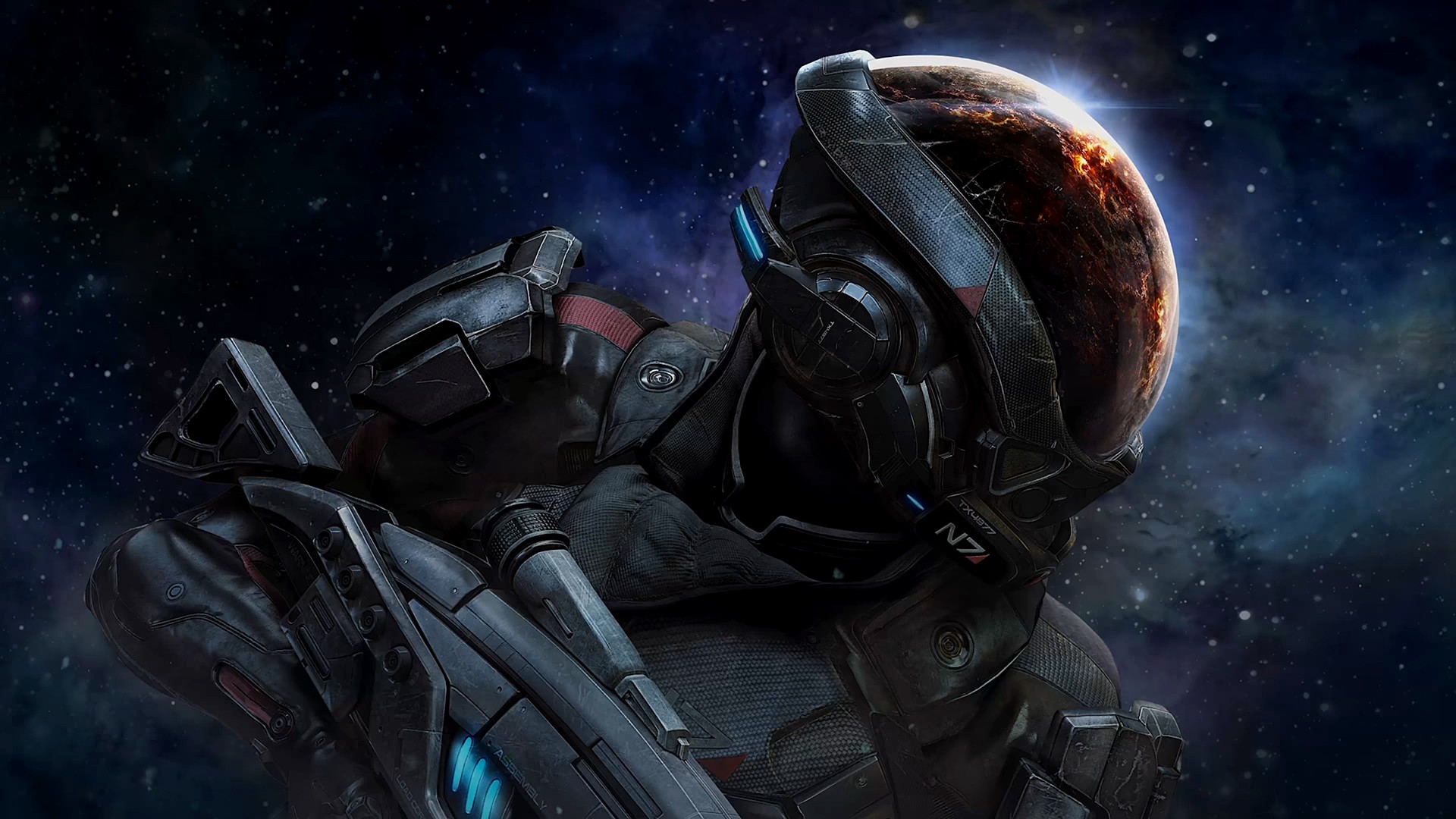
*Mass Effect: Andromeda*, released in 2017, was intended to launch a new chapter for the sci-fi saga. The concept—exploring a new galaxy and telling a story distinct from the original trilogy—held immense potential. However, the final product received a mixed reception; technical issues, questionable animations, and a script that failed to resonate with many long-time fans led to a rather rocky launch.
While the game did not diminish the achievements of the series, it demonstrated that the *Mass Effect* name alone was no longer enough to guarantee the same level of enthusiasm as in the past.
At that stage, BioWare still had a chance to recover—but the difficulties were far from over.
Anthem: the gamble that didn’t pay off
If Mass Effect: Andromeda disappointed a portion of the audience, *Anthem* represented an even more complex challenge.
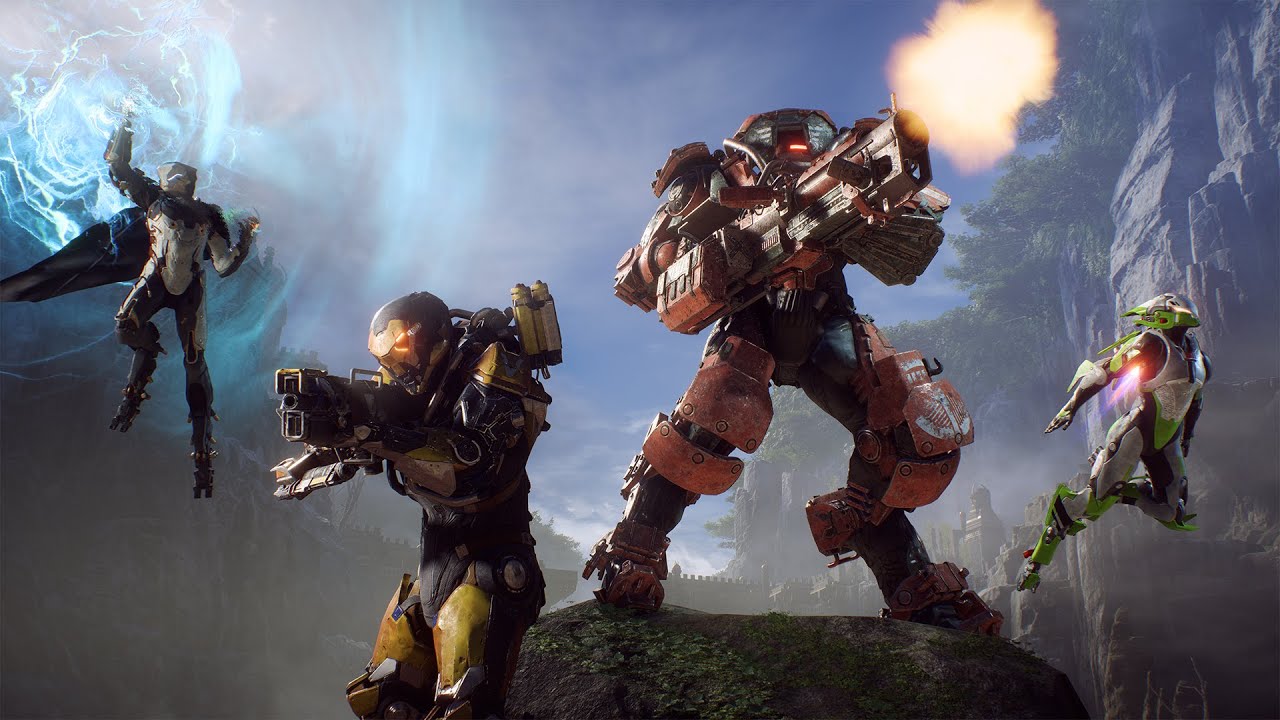
Released in 2019, the project departed significantly from the studio’s traditional formula. Instead of a role-playing game heavily focused on narrative and individual choices, BioWare attempted to build an online experience centered on cooperative combat, character progression, and long-term playability.
The concept itself wasn't necessarily flawed. A science-fiction universe featuring high-tech exosuits, dynamic combat, and a cooperative system had all the ingredients to attract an audience looking for a different kind of experience.
The problem lay in the execution.
*Anthem* reached the market with a structure that failed to fully realize its potential; its progression system left many players dissatisfied, and its narrative component proved unable to sustain interest over time.
Ultimately, the project became one of the most glaring disappointments in the studio’s recent history, and plans to revive it through a major overhaul—known as *Anthem NEXT*—were abandoned in 2021.
In my view, this episode highlights one of the most significant issues in BioWare’s recent trajectory: the attempt to pursue a formula different from the one that made the studio famous, without managing to craft an equally compelling experience.
This is not to say that a studio should be forever bound to the same formula. Experimentation is essential for any creative endeavor; however, when change requires a fundamental rethinking of a studio’s identity, structure, and development priorities, there is a very real risk of losing the core qualities that made its work recognizable.
*Anthem* could have marked the beginning of a new path, but instead, it became yet another burden on an increasingly complicated journey.
Dragon Age: The Veilguard and the unmet expectations
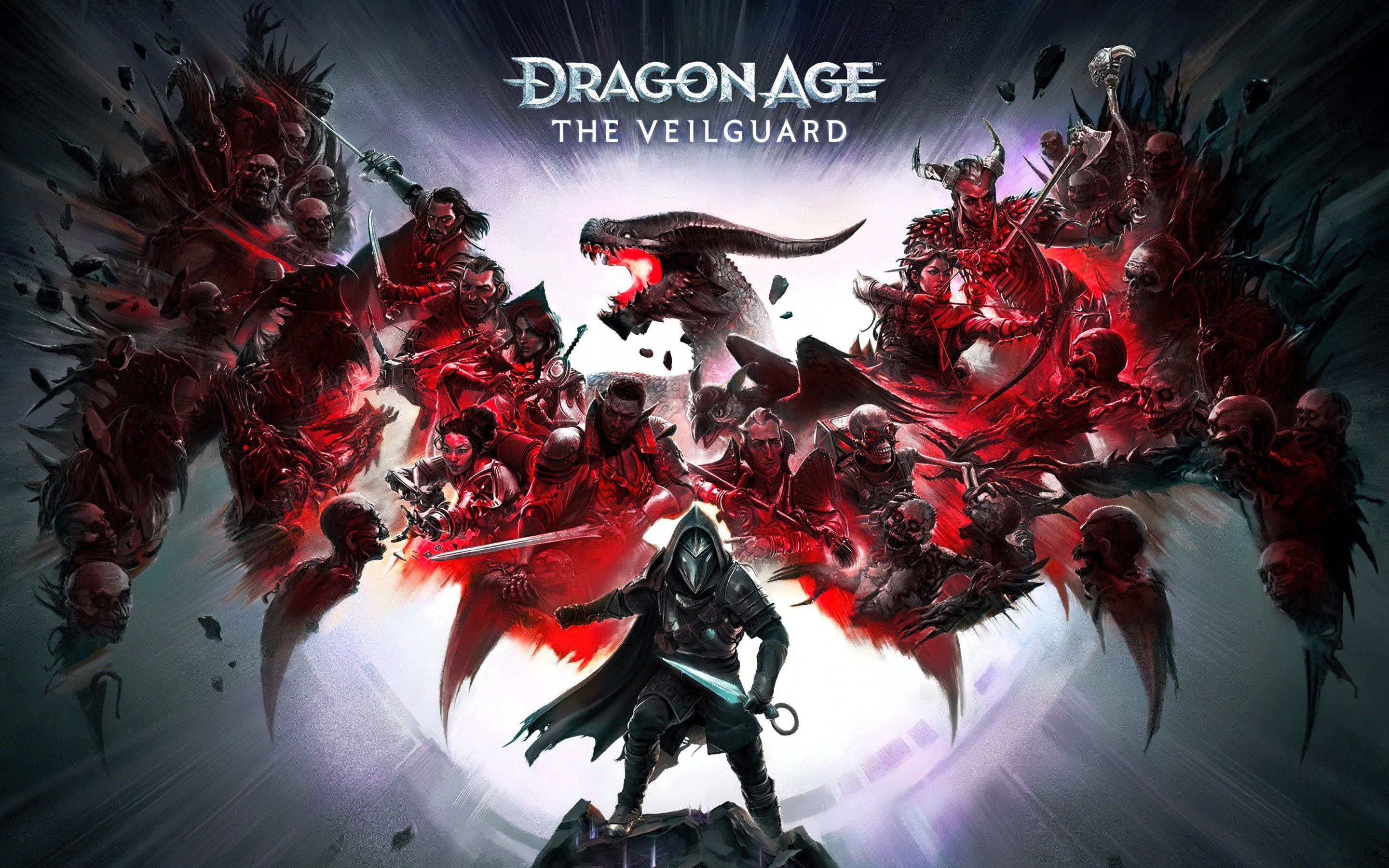
Following the difficulties encountered with *Anthem*, BioWare returned to one of its most significant franchises with *Dragon Age: The Veilguard*, released in 2024.
The game served as a crucial opportunity for the studio to prove it was still capable of crafting a great narrative-driven role-playing game. The *Dragon Age* universe boasted an established community, beloved characters, and a story that deserved to continue.
*The Veilguard*, however, failed to achieve a consensus. Certain creative choices—regarding the writing, dialogue, overall tone, and the structure of the experience—met with a mixed reception, and Electronic Arts later confirmed that the title had fallen short of commercial expectations.
It is important to distinguish a game’s quality from its financial performance; a divisive reception does not automatically mean a work lacks value. At the same time, for a major publisher, failing to meet commercial targets can have tangible consequences for the future of both a project and the studio behind it.
In BioWare’s case, the repercussions were already apparent: the team had been downsized, and the new *Mass Effect* had become the primary project upon which a segment of the community pinned its hopes.
After years of struggle, the prospect of returning to the science-fiction universe that had defined the studio’s reputation seemed like a chance for a fresh start.
That possibility, however, never materialized.
The new Mass Effect will not see the light of day
The cancellation of the next Mass Effect is arguably the most painful aspect of this entire saga for its fans.
Following the conclusion of the original trilogy and the mixed reception of *Andromeda*, the announcement of a new installment had reignited hopes of returning to that universe. There was no shortage of questions: what narrative direction would it take? Would we see familiar characters again? Would the game continue from previous events, or would it launch a new chapter in the story?
For a long time, however, concrete information remained scarce. The project was in the works, but it had not yet reached a stage where its structure or ambitions could be understood in any detail.
On October 21, 2026, Electronic Arts announced that it had decided to halt development on the game. This decision coincided with the closure of the Edmonton studio, effectively bringing an end to BioWare as it was historically known.
It is worth noting one detail: the project was still in the early stages of development. We do not know how much of the game had actually been built, what its final features would have been, or how close it was to becoming a tangible product; therefore, calling it a "lost masterpiece" would be premature, as no one can know what the final result might have been.
Nevertheless, the cancellation represents the loss of a possibility.
For those who loved the original trilogy, it means never discovering what the team had in store for the future of the series. For BioWare, it means losing the chance to prove that a return to the heights that once made the studio famous was still possible.
And for the industry, it serves as yet another reminder of how even the most significant intellectual properties remain vulnerable to corporate decision-making.
The closure of the studio does not necessarily mean that *Mass Effect* will vanish forever; the brand belongs to Electronic Arts, which could, in theory, entrust it to another team in the future. At the moment, however, this does not change the fact that the cancelled project will not see the light of day in the form in which it was conceived by BioWare.
Electronic Arts and the price of corporate decisions
At this point, an inevitable question arises: to what extent is Electronic Arts responsible for this situation?
BioWare came under the EA umbrella in 2007—a time when the studio was already synonymous with some of the most significant titles in the genre. Since then, the studio has continued to work on major intellectual properties, yet it has also navigated transformations and challenges that cannot be traced back to a single decision.
It would be simplistic to blame every issue on the publisher, just as it would be superficial to overlook the role of corporate strategy.
Developing video games of this scale requires enormous investment, long development cycles, large teams, and effective resource management; decisions regarding which projects to fund, which creative priorities to set, and how responsibilities are distributed can profoundly shape the final outcome.
In a statement released on October 21, EA explained its intention to focus investment on a smaller number of projects deemed strategic and offering greater growth potential. Within this framework, the company decided to halt development on the new *Mass Effect* and close BioWare.
From an economic standpoint, this corporate logic is understandable: a publisher cannot indefinitely sustain every project—especially when it deems the prospects insufficient—but the reality is that the consequences of such choices extend far beyond the balance sheet.
When a studio closes, it is not just a name that disappears; professional paths are disrupted, teams are scattered, and a creative environment—built over decades—is lost. At the heart of this are people who dedicated years of their lives to crafting worlds in which millions of players found something truly meaningful.
According to reports in the press, EA’s reorganization affects approximately 400 employees across the company, about 50 of whom were part of BioWare. These figures come from journalistic sources, whereas the company’s official communications focus on portfolio reorganization and the closure of the studio.
There is no simple solution to this problem. Yet, the BioWare situation illustrates just how fragile the balance is between creativity, economic sustainability, and the continuity of studios.

A studio closes, but its legacy does not
Despite its closure, it would be a mistake to remember BioWare solely for its recent failures.
Its history spans decades of games that helped define how we tell interactive stories. Mass Effect demonstrated how relationships between characters and player choices could become the very heart of a science-fiction saga. Dragon Age built a distinct fantasy universe, while Baldur’s Gate and Knights of the Old Republic left an indelible mark on the landscape of role-playing games.
These works will endure long after the studio’s closure, allowing players to return to these magnificent universes and rediscover stories that defined significant moments in their lives.
BioWare’s creative legacy does not vanish when its doors close; it lives on through its games, the memories of its community, and the influence its titles have had on other developers.
However, this should not be used as a reason to downplay what has happened. A back catalog cannot replace the people who created it, nor can it guarantee that the same ideas and sensibilities could ever be replicated by a different team.
A future Mass Effect title, entrusted to another studio, might well be an extraordinary game—but it would be a different project, crafted by different people, with a completely different development history.
While it is perfectly reasonable to hold out hope for the future of the brand, that hope does not erase the loss of BioWare as a creative entity.
The end of BioWare is yet another signal for the entire industry
The closure of BioWare is not merely the end of a historic software developer; it is also an opportunity to reflect on how the video game industry manages its studios, its franchises, and the people who work behind the games.
In recent years, we have witnessed restructurings, cancellations, and layoffs affecting numerous companies (such as Xbox, which we discussed recently). Development costs have soared, commercial expectations have reached new heights, and even major players have found themselves having to justify massive investments within a highly competitive market.
In this climate, there is a risk that a studio’s value may come to be measured almost exclusively by the performance of its latest release, failing to fully account for the creative legacy built up over time.
The question is not whether BioWare should have continued to exist at any cost; rather, it is whether the industry is managing to strike a balance between economic sustainability and the preservation of the creative entities that help make it so compelling.
After all, video games are more than just products to be sold—they are works created by people, experiences that accompany entire generations, and worlds that can become an integral part of the lives of those who play them.
Goodbye, BioWare
BioWare’s history has not been perfect; the last few years have clearly shown how difficult it was for the studio to live up to the expectations built over time. *Andromeda* failed to win everyone over, *Anthem* struggled to find a solid direction, and *The Veilguard*—beyond a narrative that I personally found lacking—did not meet the commercial targets set by EA.
Yet, it would be unfair to let these chapters alone define more than thirty years of history.
We do not know if we will ever return to explore the galaxy in a new installment, nor whether another team will be able to carry on the legacy of the original trilogy. What we do know is that the project BioWare was working on has been cancelled, and the studio—in the form we have long known—will cease to exist.
What remains is its catalog, the adventures we experienced, and the people who helped bring them to life. Above all, there remains the influence of a developer that demonstrated how role-playing games can be so much more than just combat systems, statistics, and quests to complete.
At their best, they can be stories in which we see ourselves, characters we grow attached to, and choices that stay with us for years to come.
This is why the closure of BioWare hurts so many players; we aren’t just saying goodbye to a historic brand—we are losing an important piece of video game history.
And as we wonder what the future holds for Mass Effect, one thing remains certain: no corporate decision can erase what BioWare has already given to those who experienced its adventures.
Thank you for the worlds, the stories, and the characters. Farewell, BioWare.