
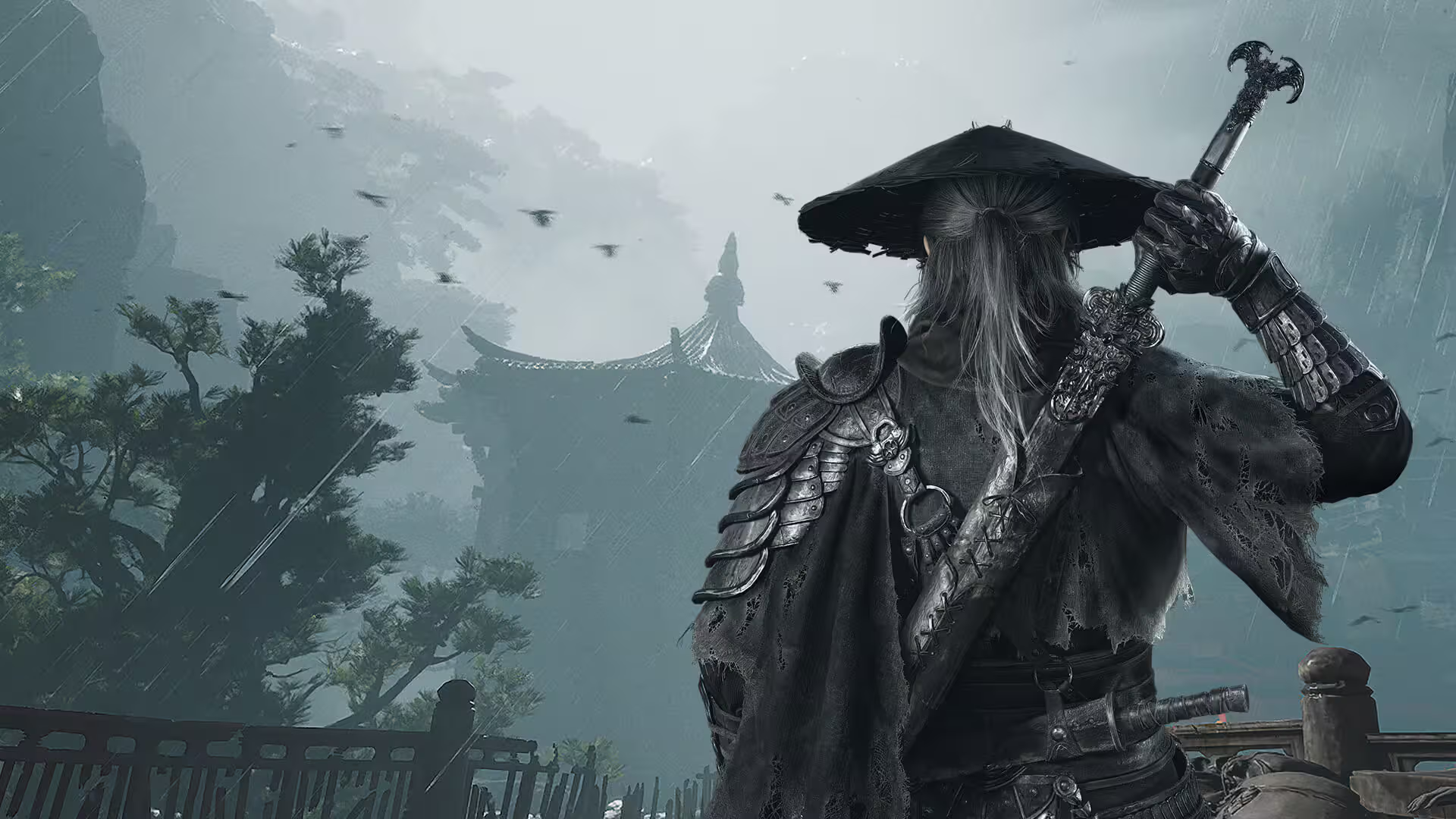
Phantom Blade Zero: review of an extraordinary action game, my GOTY 2026?
by Cristian Mazzini
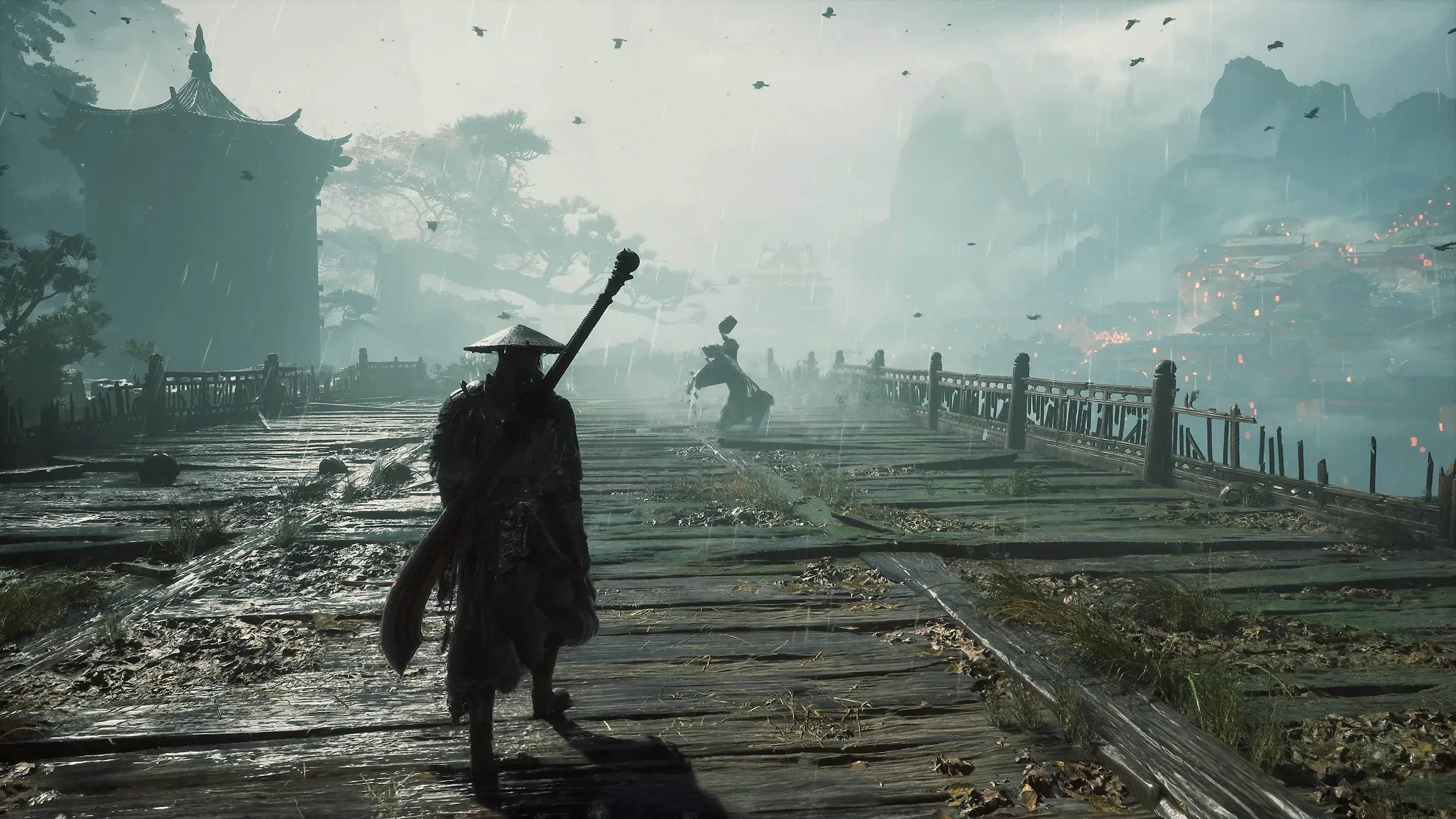
After sharing my initial impressions in the pre-review published last week, I have finally reached the end of the adventure—nearly 40 hours of gameplay during which S-GAME managed to keep me glued to the screen in a way I haven’t experienced for a long time.
Now, a week after finishing the title and with a clear, cool-headed perspective, I’m sharing my full review—complete with a final score.
Even after the first 25 hours, I sensed that I was dealing with something special and distinct; however, completing the entire experience allowed me to better appreciate the quality of the project—and, crucially, to identify certain aspects that could have been handled differently.
Phantom Blade Zero is S-GAME’s first major non-mobile project, and in my view, it stands as one of the best action games ever created—if not the very best.
It is a powerhouse of spectacle, memorable combat, extensive exploration, and rich content, delivering an experience that remains consistently engaging from start to finish.
It isn’t a perfect game—some flaws are quite apparent—but the overall result is so compelling that I find it hard not to consider it a top contender for my personal Game of the Year (and, quite possibly, for the actual Game of the Year title, were it not for the existence of GTA VI).
AN EXCEPTIONAL COMBAT SYSTEM
Let’s start with the beating heart of the entire production: the gameplay.
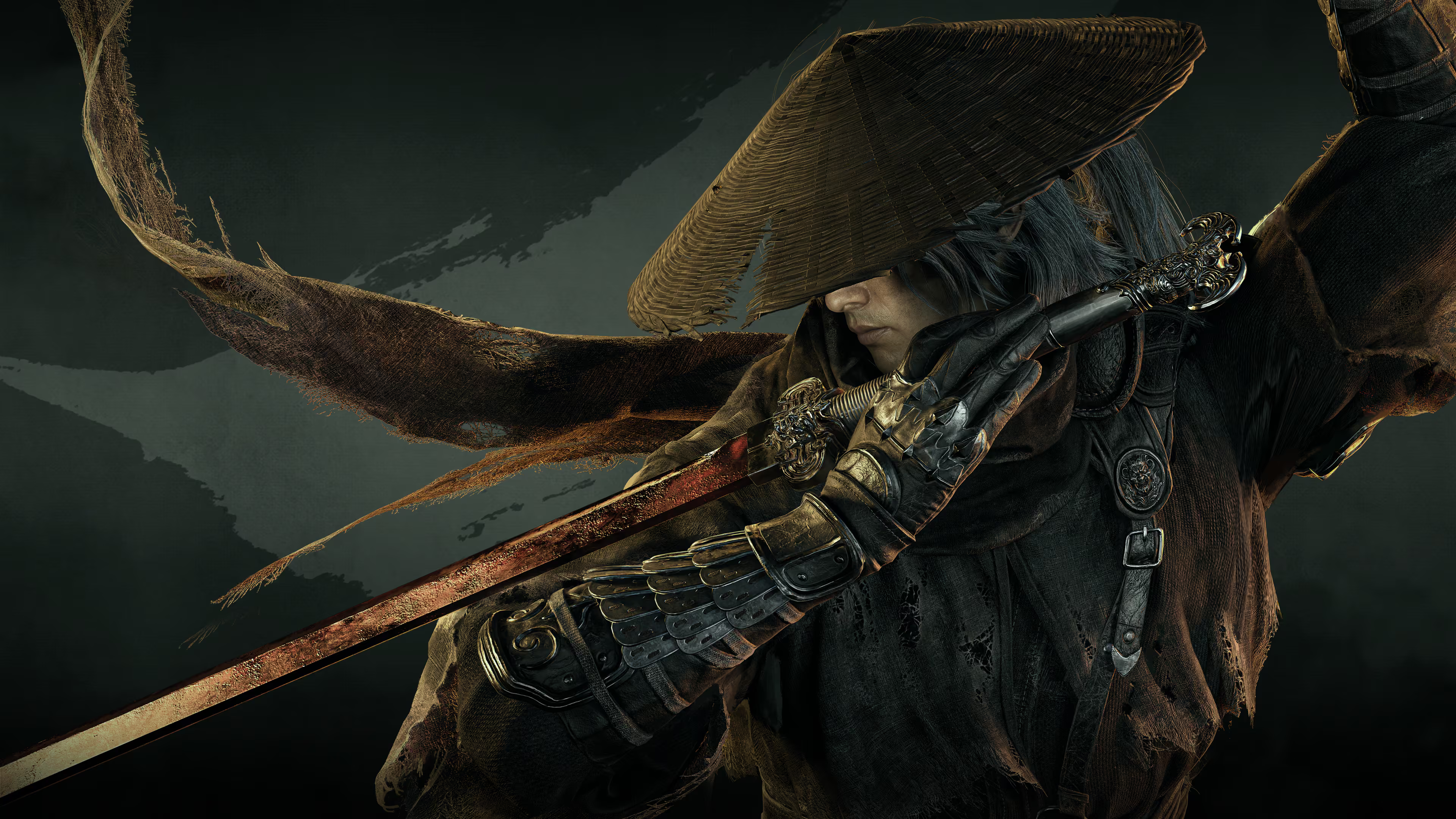
If I had to pinpoint a single element that defines *Phantom Blade Zero*, it would undoubtedly be its combat system. It is spectacular, exceptionally fluid, and, above all, incredibly satisfying. Every encounter conveys a sense of power and precision that I have rarely encountered in other action games.
The offensive possibilities are vast, the combos are numerous, and the weapon animations are crafted with impressive attention to detail. Each fight unfolds like a finely tuned choreography of attacks, parries, dodges, and counterattacks—a visual spectacle that never grows tiresome.
But what I appreciated most is the variety of the arsenal.
Throughout the adventure, you constantly acquire new weapons, often as rewards for defeating main or optional bosses. These aren’t just pieces of gear with different stats; each weapon features its own unique moveset, dedicated animations, specific abilities, and distinct behaviors in the heat of battle.
This means that switching weapons isn’t just about changing the amount of damage you deal—it’s about experiencing an entirely different way to engage with enemies, ensuring the gameplay remains fresh, engaging, and never dull.
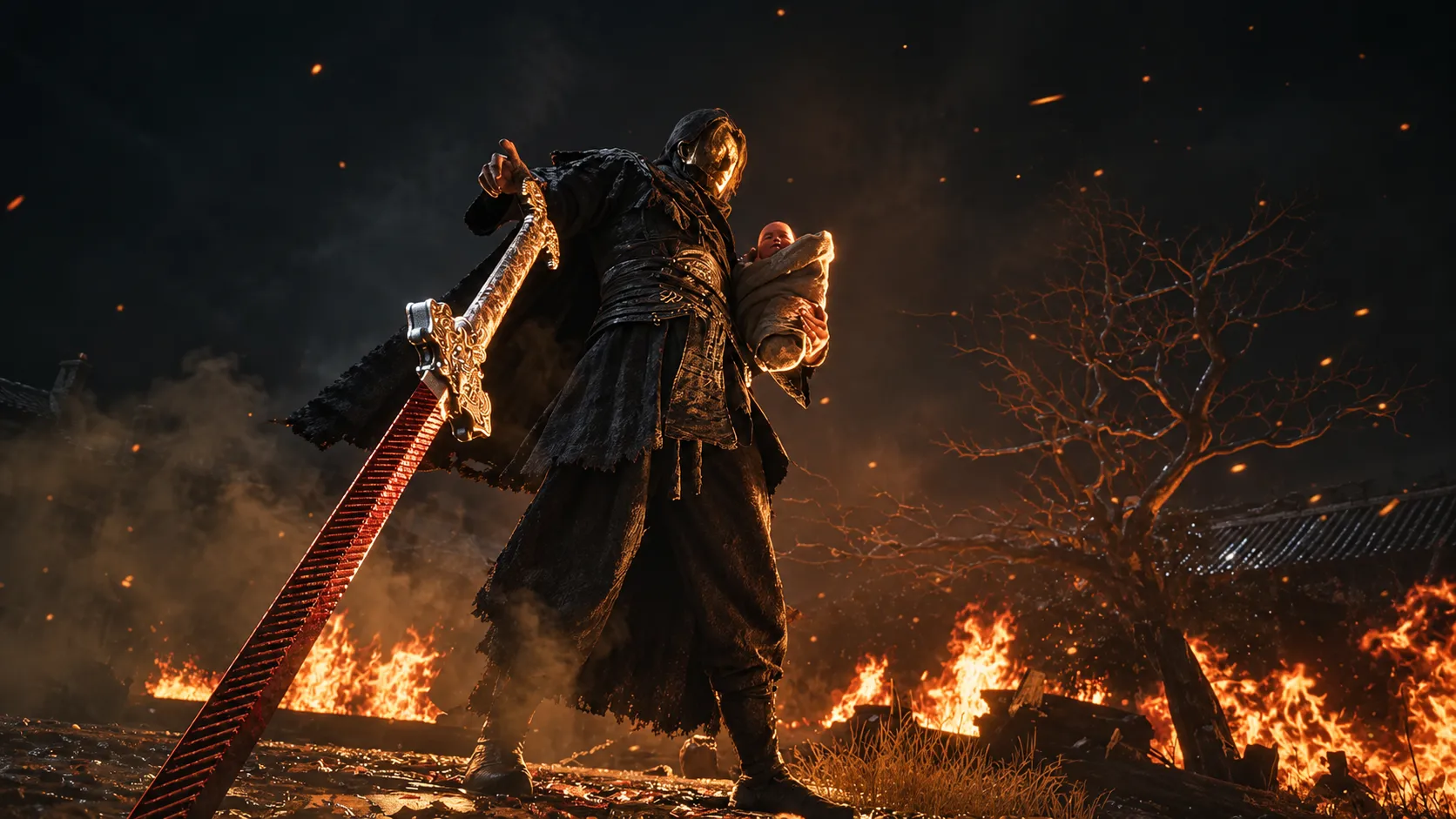
Personally, after about ten hours of play, I found my favorite weapon: the Outlaw’s Greatsword—which I mentioned in my pre-review—and I ended up sticking with it until the very end.
From that point on, it became practically impossible to part with it. I grew so accustomed to—and fond of—its moveset and animations that I continued to use it right through to the conclusion of the adventure, even in situations where it might not have been the most effective choice.
An example? Some enemies, such as puppets, have no blood; this renders one of the greatsword’s most compelling features—its ability to drain an opponent’s life force and transfer it to the protagonist—completely useless. Even so, I continued to use it against almost everyone I encountered.
My second weapon, by contrast, became a space for experimentation; I swapped it out frequently, testing the many alternatives the game provides and exploring the various abilities offered by its vast arsenal.
It was precisely this combination—a primary weapon to grow attached to, paired with a secondary one for experimentation—that kept me engaged for nearly 40 hours without my interest ever waning.
BOSS FIGHTS AND VARIETY: A CONSTANT DISCOVERY
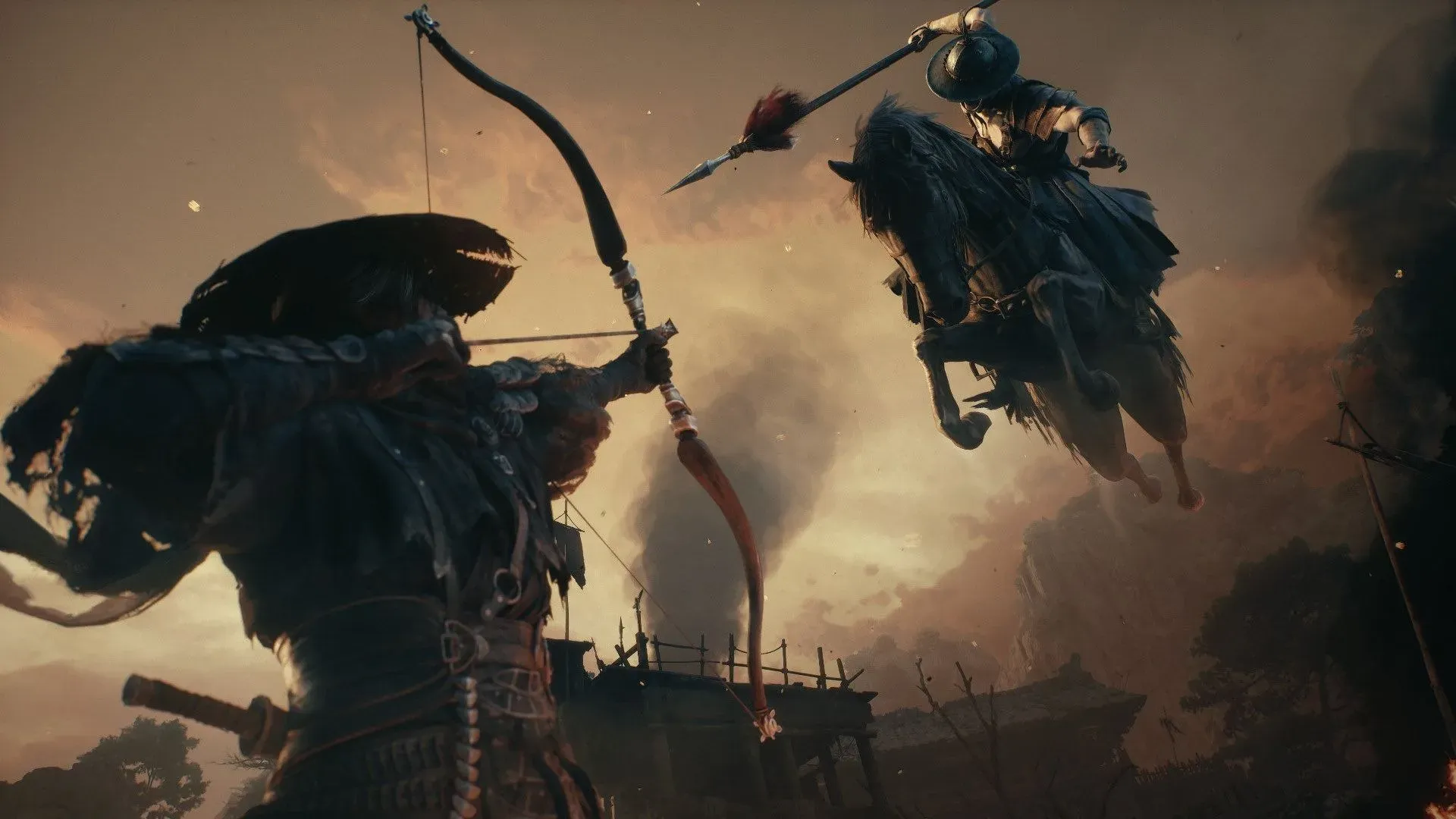
While the combat system is exceptional, the boss fights are arguably the high point of the entire experience.
Phantom Blade Zero features an incredibly impressive number of bosses—some tied to the main story, others hidden away in the game’s many optional areas. Best of all, you rarely get the feeling that you’re just facing a variation of an enemy you’ve already encountered.
Each boss has its own distinct identity, a unique moveset, and a suite of attacks that force you to constantly adapt to the situation at hand.
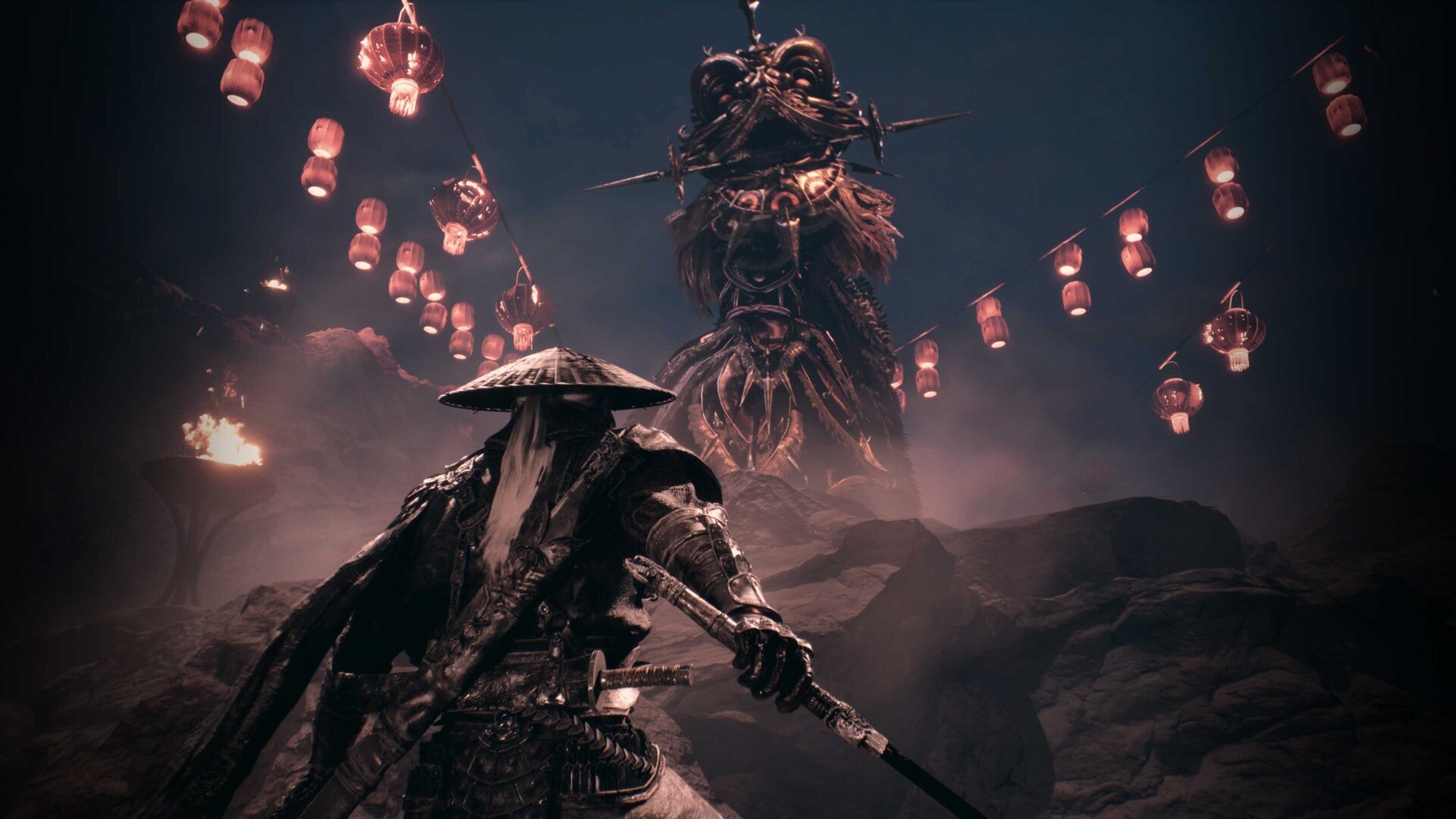
Without giving anything away, the encounter that left the biggest impression on me was the fight against Mu Xiaoqiu—those who have played it will understand why I loved it so much.
This particular battle stands out as one of the most memorable moments in the adventure; it unfolds across three distinct phases and is framed by a truly striking, atmospheric presentation. It’s the kind of encounter that stays with you long after you’ve turned off your PC.
What I appreciate most is that the game doesn’t reserve its surprises solely for mandatory encounters. Even when exploring secondary areas, you might stumble upon completely unexpected bosses—often serving as one of the most rewarding incentives for those who choose to stray from the beaten path.
This naturally encourages exploration and discovery, without ever making it feel like a chore—in this regard, too, S-GAME has done an excellent job.
The difficulty level is adjustable, and I played through the entire adventure on "Normal." While I rarely encountered any insurmountable obstacles, that doesn’t mean the fights lack challenge.
On the contrary, thanks to the sheer variety of bosses and the need to learn their specific patterns, every victory feels immensely satisfying. Don’t be too intimidated by the difficulty; I’m not particularly skilled at these types of games myself, yet I managed to play through the entire adventure on Normal difficulty, rarely dying more than 2–3 times per boss. Also, keep in mind that you can always lower the difficulty to Easy if you find yourself really needing to.
EXPLORATION AND CONTENT: CURIOSITY IS ALWAYS REWARDED
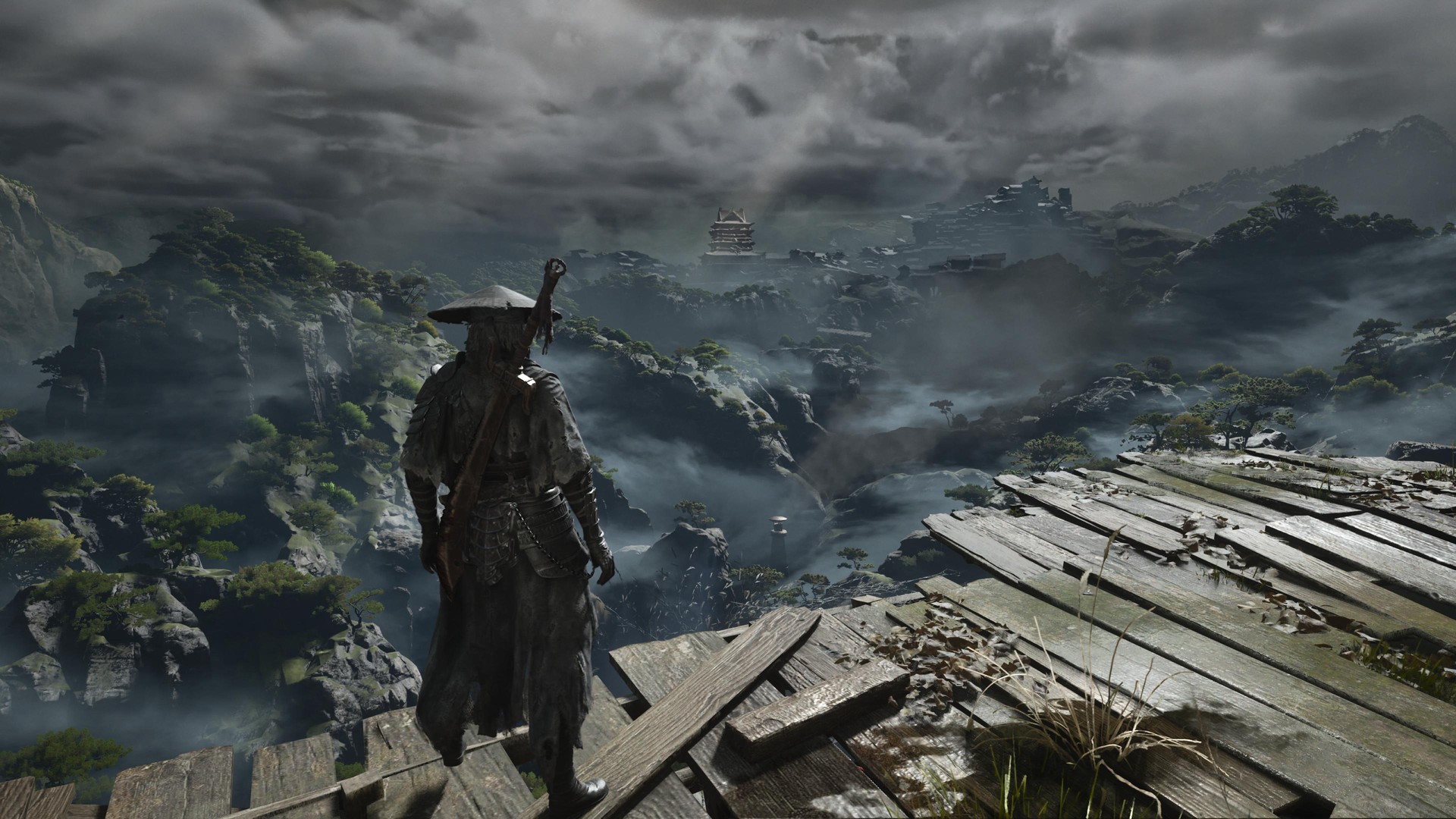
Another aspect that really impressed me is the exploration.
Phantom Blade Zero is not an open-world game, nor does it attempt to be one. While the structure is fairly linear if you stick strictly to the main story, straying from the beaten path reveals just how much content has been packed into the various environments.
There are numerous side areas, often concealing alternative routes, items, materials, currency, and—most notably—unexpected boss fights.
One of the things I appreciated most is how the game rewards curiosity. I rarely felt like my exploration was in vain; even when reaching a seemingly insignificant corner of the map, there was almost always something interesting to be found.
During my playthrough, I even discovered several entirely optional, additional maps, which opened the door to new content and further encounters.
It’s an approach to exploration that I personally love—you don’t need to clutter a map with icons or create a boundless world to encourage players to explore; it’s enough to populate the environments with tangible rewards and engaging scenarios, letting the desire for discovery drive the experience.
In this regard, too, Phantom Blade Zero manages to maintain an excellent pace throughout virtually its entire duration.
THE PROBLEM OF MATERIALS MANAGEMENT
Despite the enormous variety in the arsenal, there is one aspect of the progression system that I would have liked to see handled differently: the availability of materials needed to upgrade weapons.
Throughout the adventure, you accumulate a great deal of currency—often far more than what is actually required to upgrade your equipment.
This issue becomes particularly apparent when you consider how much the game encourages experimentation.
As mentioned, bosses can reward you with new weapons, and each acquisition offers a chance to try out a different moveset.
However, the upgrade system doesn't always keep pace with this variety.
Even though I spent a significant amount of time exploring and completed roughly 80% of the available side content, I was only able to bring two weapons of the same category to the maximum level—level 30.
In my case, having focused primarily on two-handed swords, I ended up with an arsenal where only two weapons of that type reached the maximum upgrade level.
To bring a third weapon to that same level, I would have had to reset the points invested in the second one, effectively sacrificing a weapon I had already developed.
And that is precisely where the problem lies: a game that provides so many weapons and constantly nudges you to try new ones should allow for greater freedom in experimentation. While there are items that let you reset a weapon’s level and recover all the resources you spent, the system still felt somewhat restrictive.
It’s not a limitation that ruins the experience, but it is certainly a missed opportunity. I would have preferred a more generous distribution of materials—especially given that the currency earned throughout the game ends up being far more abundant than the resources actually needed for progression.
A NARRATIVE THAT IS TOO COMPLEX AND DISCURSIVE
We come to what is arguably the most glaring flaw in *Phantom Blade Zero*: the narrative.
I touched upon this in my pre-review, and having now completed the adventure, my opinion remains unchanged. In fact, the nearly 40 hours I spent with the game have only confirmed my initial reservations.
The story begins with an interesting premise, features potentially intriguing characters and scenarios, and includes some truly high-quality cinematic sequences—but the problem lies in how it’s all told.
I often felt that the developers tried to pack in far too much—too many details, characters, connections, and events—as if attempting to construct a massive, hyper-complex epic.
The result, however, is a chaotic, bloated mess—reminiscent of a soap opera like *The Bold and the Beautiful*.
The narrative is packed with flashbacks set across various time periods, with constant temporal leaps that jump from events occurring over a decade ago to things that happened just the day before. Layered on top of this are countless characters, relationships, and plot threads that constantly intertwine, making the overall story far more difficult to follow than it needed to be.
At times, it felt like watching a soap opera set in an Eastern fantasy world, with a relentless barrage of revelations, backstories, and connections that ultimately serve only to weigh down the narrative.
It’s a real shame, because some sequences are genuinely spectacular, proving that S-GAME had some compelling material to work with. I simply would have preferred a more linear approach—one that allowed key moments to truly shine, rather than getting lost in such an overwhelming deluge of information. The soundtrack is also excellent and helps enhance various moments, though it doesn’t always manage to compensate for a story that—overall—failed to fully engage me; I frequently skipped the documents I found scattered about, as well as secondary dialogue.
I highly recommend listening to “Heart Lake” by Jane Zhang—it’s incredible; I’ve had it on loop for days…
That said, I want to put this shortcoming into perspective: in an action game like this, the narrative isn’t the primary element I’m looking for. Above all, I want a top-tier combat system, a good variety of content, and an experience that remains engaging from start to finish.
And in these respects, S-GAME’s title hits the mark on virtually every count.
A GAME OF THE YEAR CONTENDER?
Having reached the end, it’s hard not to acknowledge just how much *Phantom Blade Zero* managed to surprise me.
I spent nearly 40 hours with it, never once feeling the urge to put it down or forcing myself to finish it just for the sake of completion. Every new area, every boss, and every weapon provided another reason to keep going, to discover, and to experiment.
The gameplay is nothing short of extraordinary, the boss fights are memorable, and the exploration consistently rewards those who take the time to engage with side content. Furthermore, the visual spectacle and the quality of the animations make every combat encounter an incredibly satisfying experience.
Admittedly, the weapon progression system could have been more generous, and the narrative would have benefited greatly from being less complex. These are genuine flaws—I don’t mean to gloss over them—but in my case, they didn’t detract from what was, overall, an exceptional experience.
This brings me to a significant conclusion: *Phantom Blade Zero* is currently a top contender for my personal Game of the Year.
It’s a tough call, though; I also played *The Blood of Dawnwalker* this year—a title I absolutely loved and find very difficult to push into the background (I encourage you to check out my review on the site). They are two very different experiences that won me over for different reasons, yet both deserve a special place among the games I’ll remember most from 2026.
With its first major non-mobile project, S-GAME has proven that it can compete with top-tier productions. If this is just the starting point, I can’t wait to see what they’ll create in the future.
PROS AND CONS:
PROS
· Exceptional, fluid, and spectacular combat system.
· Huge variety of weapons, each with distinct movesets and abilities.
· Numerous, memorable boss fights with great variety.
· Exploration rich in content and rewards, which encourages and rewards curiosity.
· A consistently engaging pace throughout the entire adventure.
· Top-tier animations and visual spectacle.
· High-quality soundtrack.
CONS
· An overly complex and rambling narrative, burdened by constant jumps in time.
· A stingy distribution of upgrade materials relative to the number of available weapons.
· An arsenal progression system that somewhat limits experimentation.