
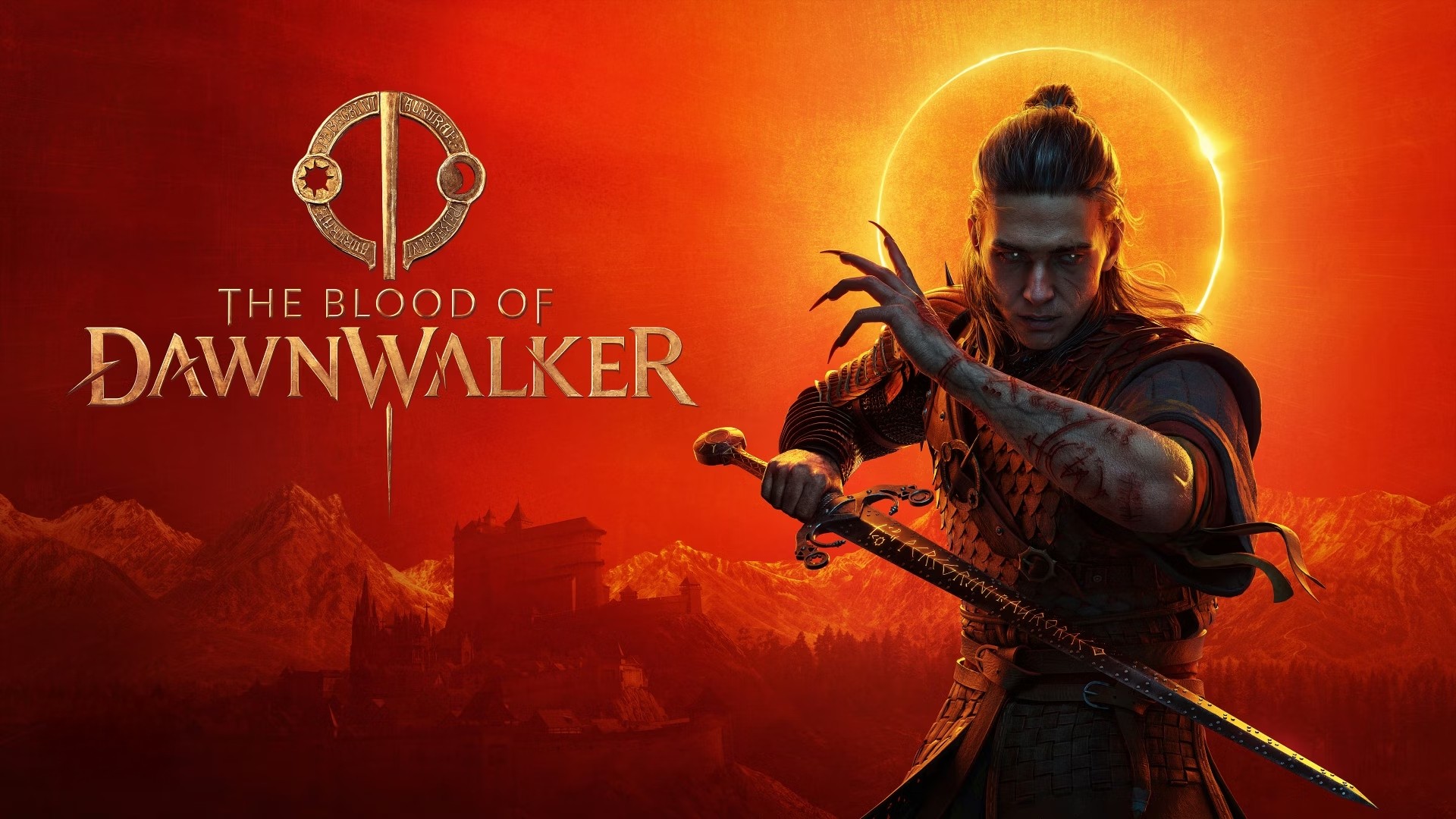
The Blood of Dawnwalker: a review of an RPG I loved
by Cristian Mazzini
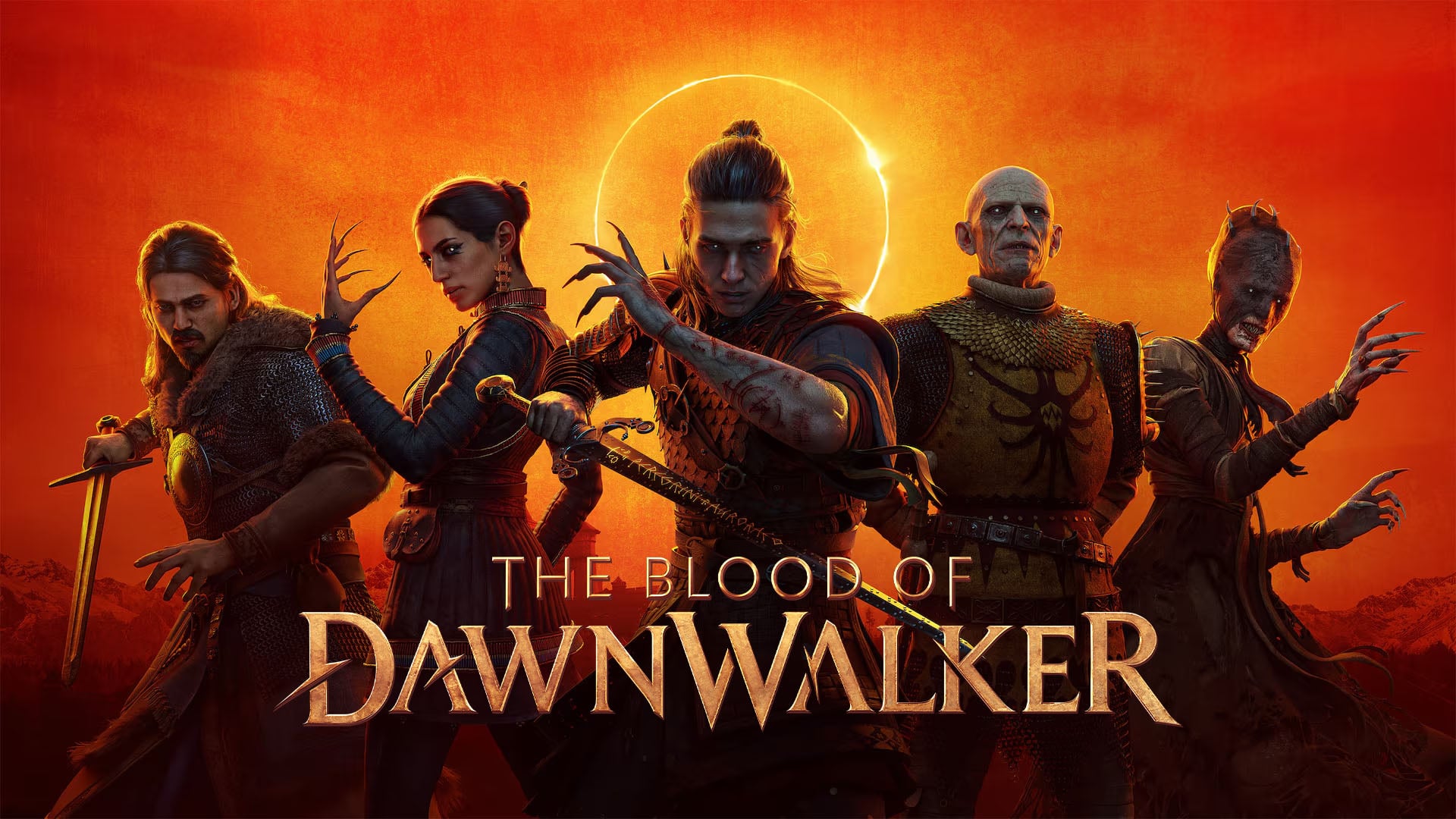
There are games you start with certain expectations, games you begin out of curiosity, and then there are those that, after a few hours, make you realize you’re holding something that might stay with you much longer than you anticipated.
*The Blood of Dawnwalker*—even with the already sky-high expectations—firmly belongs to this third category.
After about 40 hours of gameplay, I can say it with confidence: *Dawnwalker* is one of the best open-world RPGs I have ever played.
A setting that truly stands out
One of the first things that won me over is undoubtedly the setting—a medieval fantasy world, but one with a much more pronounced horror element than is typical for the RPG genre.
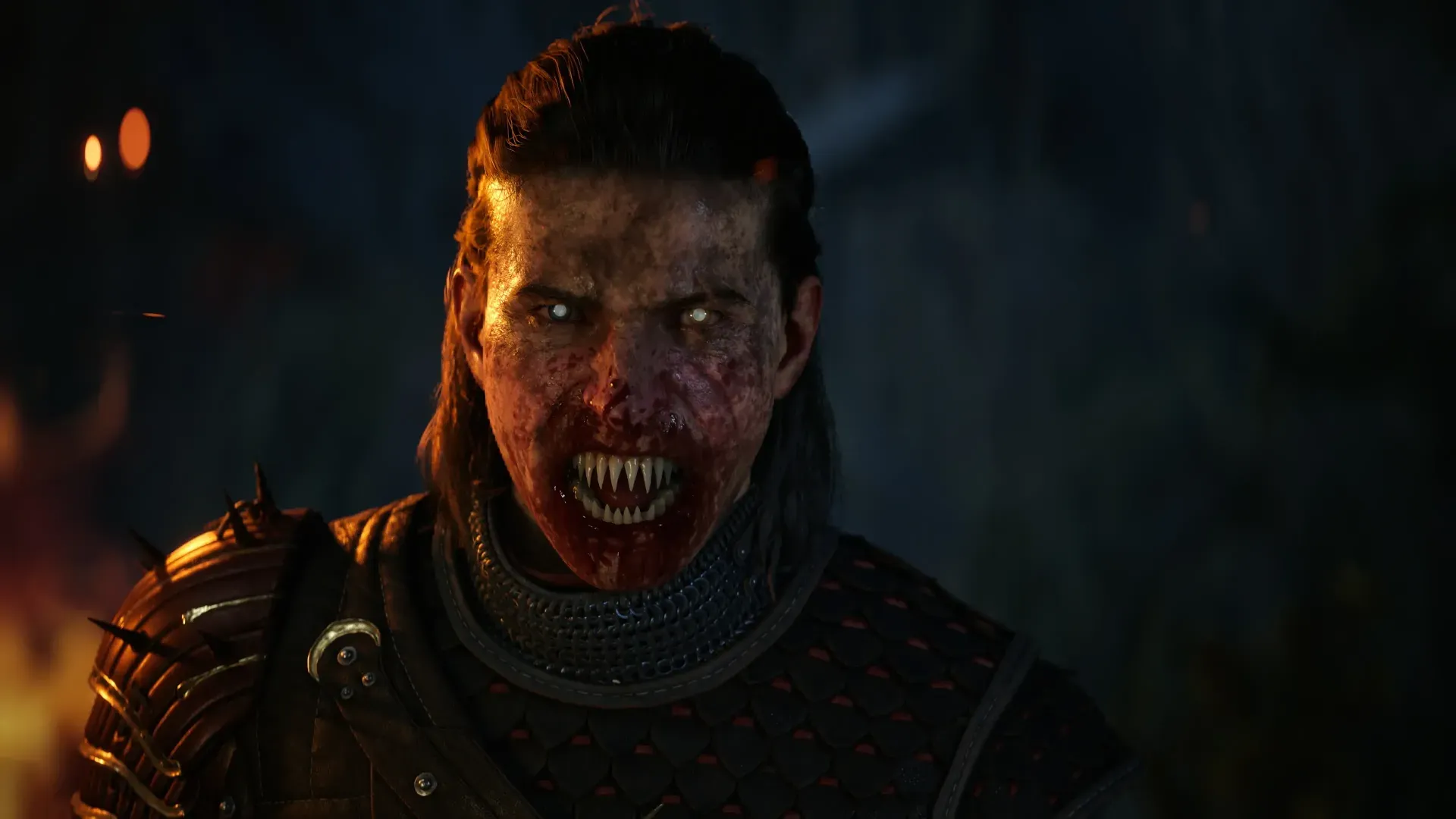
The presence of vampires isn’t just a narrative or aesthetic detail; it tangibly contributes to a persistent sense of tension and unease.
While exploring, I never felt the complete sense of safety and tranquility often found in other fantasy worlds—partly due to the game’s mechanics, which we’ll discuss in more detail later.
There is always something in the atmosphere that keeps you slightly on edge, and it is precisely this blend of medieval fantasy and horror that I find so exceptionally well-executed.
It isn’t a pure horror game—nor does it aim to be—but that touch of anxiety is enough to make exploration far more immersive.
A prologue that leaves you open-mouthed
In terms of narrative, *Dawnwalker* won me over right from the start.
The prologue is exceptionally well-written and incredibly intense.
Without exaggeration, it is one of the best prologues I have ever experienced in a video game.
I don’t want to go into too much detail—to avoid spoilers, and because I believe this part is something the player should experience firsthand—but the way Coen, the world, and, above all, the protagonist’s situation are introduced, immediately creates a sense of tension.
It’s an opening that wastes no time; it provides a concrete motivation to keep playing and makes it clear from the outset that Coen’s story is no ordinary fantasy adventure.
There is a personal stake involved, and there is a sense of urgency.
Furthermore, it features a vampire-themed horror atmosphere that makes the whole experience even more compelling.
Day and night: a limitation that becomes a strategy
One of the features that intrigued me most about *Dawnwalker* was its time-progression system.
The game presents us with a limited amount of time, and our actions inevitably carry consequences.
While this might appear to be a limitation at first glance, I personally experienced it in an entirely different way.
I don’t perceive time as a nuisance, but rather as a genuinely stimulating gameplay mechanic. Each day is divided into day and night—with both further split into eight time segments—and every mission undertaken, upgrade acquired, or narrative decision made causes time to advance by a certain number of these segments.
This forces me to consider my next move: is it worth traveling to a specific area? Should I complete this mission now, or can it wait? Would it be better to use the daylight hours for one activity and save the night for something else? And so on.
Naturally, some activities can only be performed during the day or at night, allowing players to leverage Coen’s different styles depending on the situation.
This need to carefully weigh how to spend my time kept me highly engaged throughout the entire adventure from Rebel Wolves.
I’m not just playing through one mission after another; I’m actively deciding how to strategically make the best use of the time at my disposal.
The day/night system, therefore, does more than just alter the lighting and atmosphere—it fundamentally changes how one approaches combat and missions.
The way you engage with the game shifts, and it’s one of the most compelling ideas I’ve encountered.
It’s a design choice that fits the setting perfectly; even if the core gameplay doesn’t change drastically, it makes the entire adventure significantly more stimulating. After all, if the protagonist is a "vesperal" (human by day and a vampire by night), it would be rather strange if the game didn't leverage the day/night cycle to tangibly alter how we engage with the world.
The gameplay
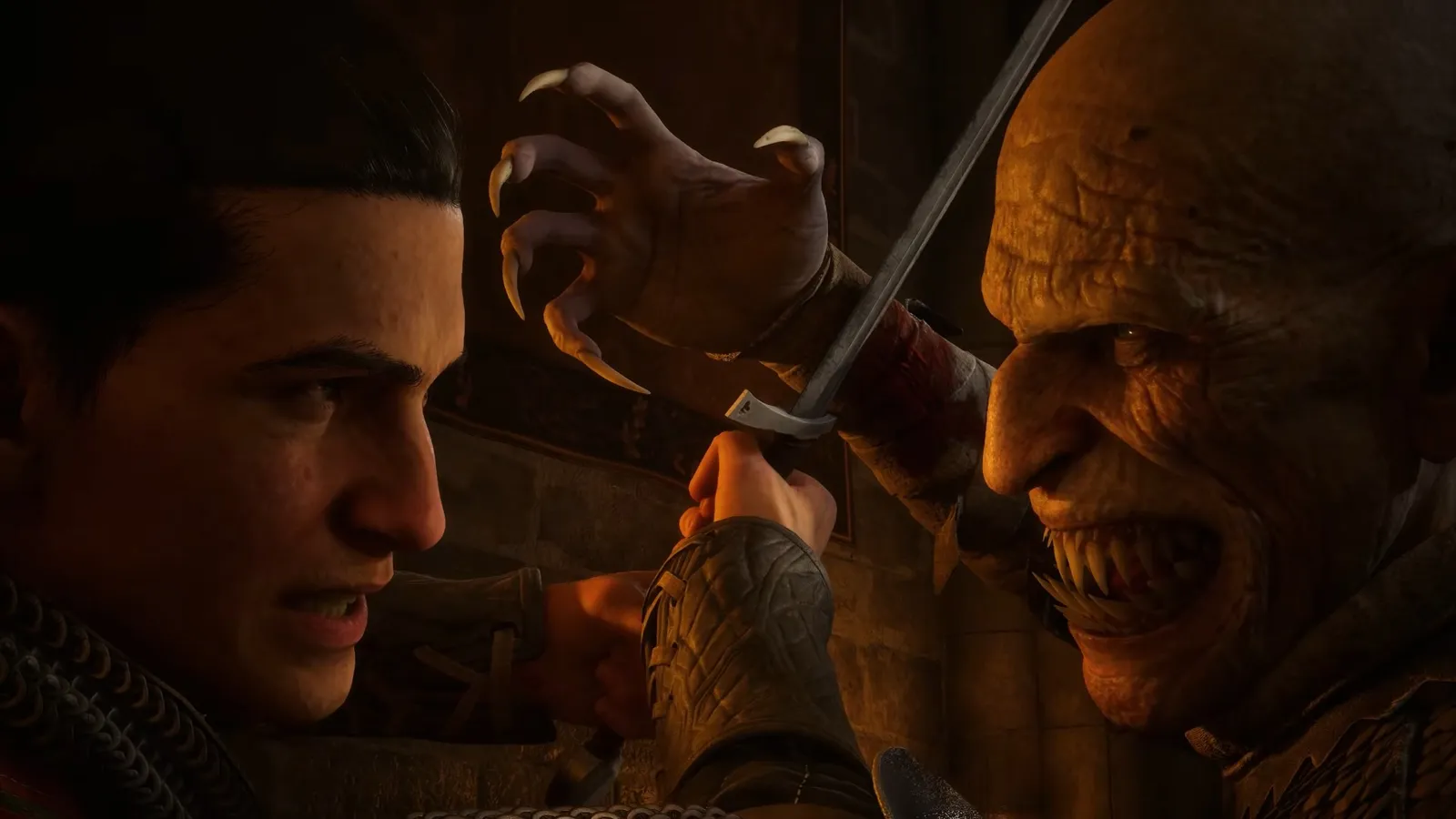
If there’s one aspect that struck me—perhaps even more than the setting—it’s the combat.
And here, I’ll make a rather bold comparison:
I find the gameplay in *Dawnwalker* ten times more satisfying than that of *The Witcher 3*—a game whose combat has long been considered its weakest point.
This isn’t to say that *The Witcher 3* is a worse game; on the contrary, it remains an extraordinary RPG. However, Geralt’s combat—especially many hours into the game—can become quite repetitive, often solvable simply by spamming a single button in most situations.
*Dawnwalker*, by contrast, offers a completely different experience.
The combat is far more rewarding, and while I’m aware it could potentially become repetitive in the long run, it hasn’t grown boring for me even after about 40 hours of play.
What arguably saves it most from monotony is its unique nature.
It isn’t merely a combat system designed to complement exploration; it possesses a distinct identity of its own. Almost every encounter felt engaging—it’s a hybrid of the aforementioned *The Witcher 3* and *Kingdom Come: Deliverance*, blending the style of the former with the directional attacks and parries of the latter.
This, combined with Coen’s human sorcery, the various add-ons you can slot in as you expand your skill tree, and the nocturnal vampirism, ensured that the experience—for me, at least—never became dull.
The character Coen and how he differs from Geralt
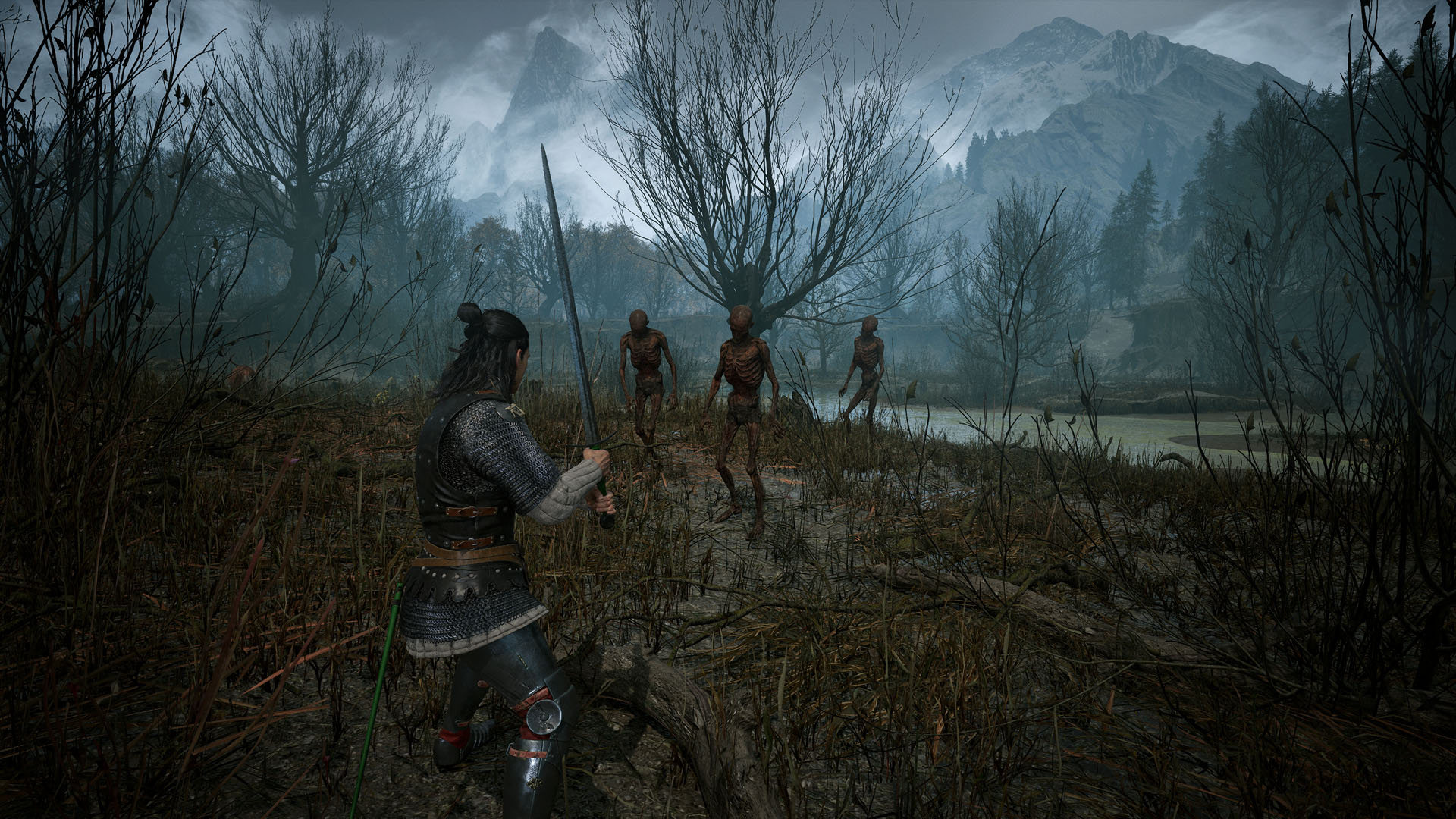
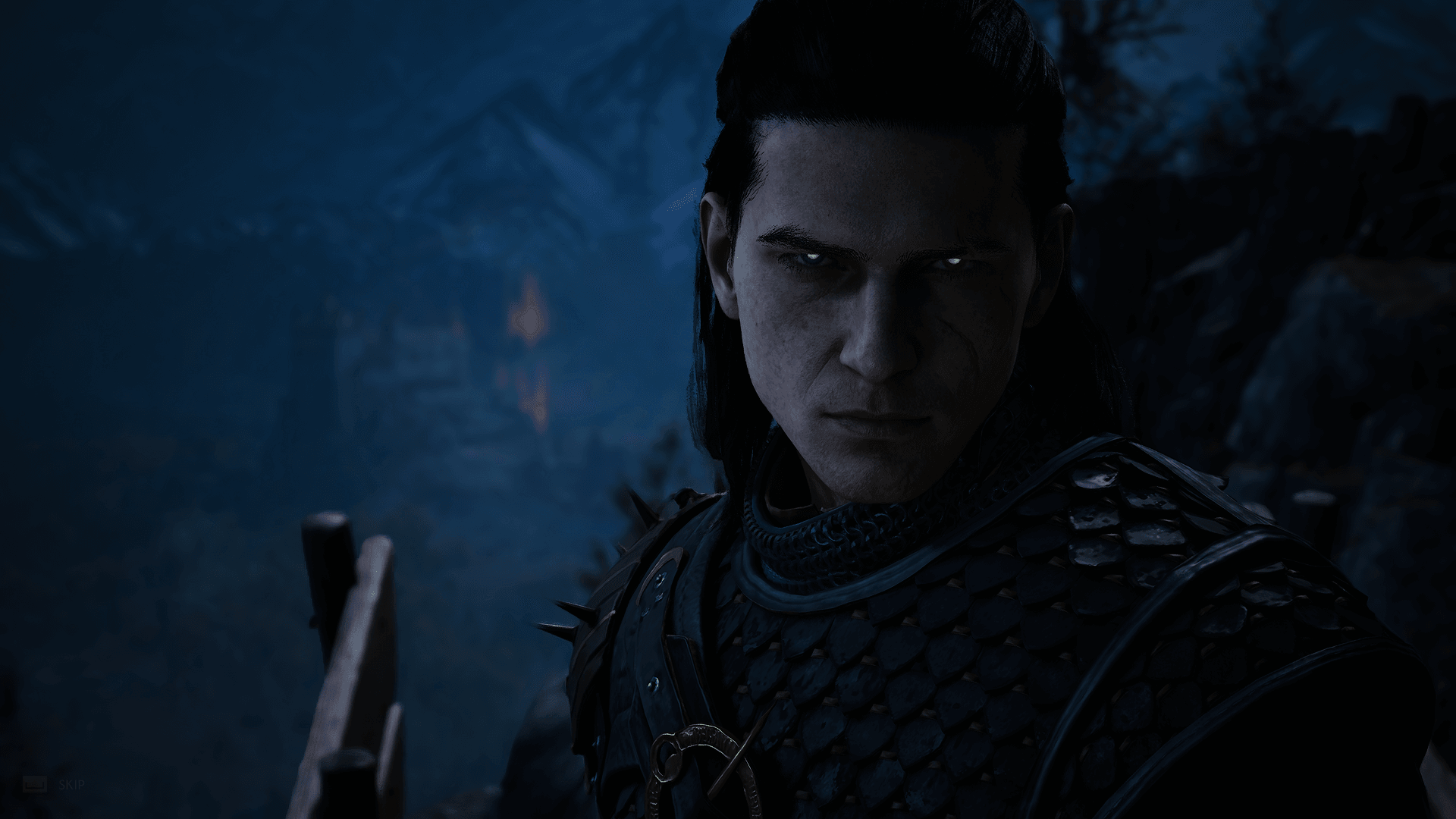
Another element that made me appreciate *Dawnwalker* more than I expected is its protagonist, Coen. He is a fresh, multifaceted character who is truly engaging to discover. The player decides how he behaves—whether or not to make him a villain—though there are, naturally, certain limitations imposed by the main objective.
The protagonist’s core goal remains clear from the start and cannot be altered; while specific dialogue lines don’t necessarily shift based on the path you choose, your actions are entirely up to you. You have complete freedom—you can even kill key story characters or change the outcome of certain quests.
I’d like to draw a comparison to Geralt, as the two games share many similarities; in fact, many of the creators behind *Dawnwalker*—including the director—previously worked on *The Witcher 3* at CD Projekt Red.
Geralt is a fantastic character, but he is, ultimately, Geralt. If you haven’t read the books or played the two preceding titles, the events that unfold can feel confusing; it’s difficult to fully empathize with him, and the story is rarely entirely clear—at least, that was my experience.
Coen, by contrast, is a new, fresh, and compelling character—and, as I mentioned, highly malleable—which, in my view, makes him even more interesting than the Witcher himself.
I was able to experience his story without the baggage of twenty years of prior knowledge, which allowed me to empathize with him much more deeply.
For an RPG, I consider this a fundamental aspect.
The freedom that the game offers you
One of the things I appreciated most after the prologue was a structural choice I hadn’t initially expected.
*Dawnwalker* doesn’t present you with a traditional, linear main quest to follow.
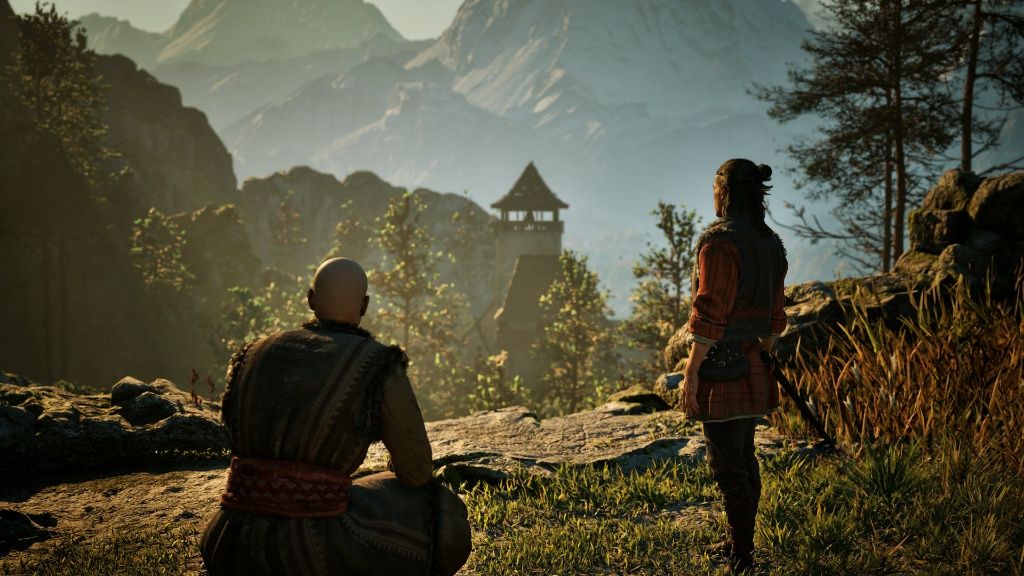
Once the introduction is over, the game essentially leaves you free to decide what to do—and, more importantly, where to go.
The only real constant is time.
Coen has 30 days before the Brencis ceremony, and that is the window of time we have to try and save his family.
This is where the time system takes on even greater significance.
Instead of a massive list of main quests constantly dictating my next objective, I have an explorable world before me—and a deadline.
Thirty days.
It is up to the player to decide how to spend them.
I can focus on specific quests, explore a new area, help someone out, hinder Brencis’s Generals, or simply pursue whatever piques my curiosity at any given moment.
I absolutely loved this freedom, as it ties perfectly into what I mentioned earlier about the passage of time.
Time isn’t just an arbitrary constraint imposed by the game; it’s the very thing that forces me to make choices.
Knowing that I can’t necessarily do everything makes every decision carry more weight, and it drastically increases the game’s replayability.
It’s an approach that feels especially well-suited to an RPG, as it gives me the sense that I’m living out a story of my own, rather than just following a predetermined sequence of missions.
The missions
As I mentioned earlier, the game lacks a traditional main quest; it is entirely up to us, the players, to decide how we reach that 30-day mark.
As you explore the fields, mountains, or caves across the game map, you may come across quests—either via specific markers or through random encounters—that require a certain amount of time to complete.
What’s truly great is that the game presents you with various choices during the dialogues within these missions—options that can be completely distinct from one another. This ensures that the role-playing elements never feel superficial, nor does it ever seem like the outcome is pre-scripted or predetermined by the game. In fact, it’s quite the opposite: the final result of a mission changes entirely based on the choices you make.
The only downside is that you won’t always see every potential consequence laid out before you; for instance, if you decide to kill someone, the mission will proceed while accounting for that choice. Consequently, the only way to see an alternative outcome would be to reload a previous save and choose differently.
This level of impactful decision-making also offers a major advantage: high replayability.
Between the random encounters and the significant variations that quests can take depending on your choices, every playthrough has the potential to be vastly different.
The music
The soundtrack also left an impression on me.
It’s not quite on the level of *Skyrim*—a game in the same genre that I absolutely adored, and which, for me, exists on an entirely different plane, especially given the emotional bond I formed with its music—but *Dawnwalker* still features a truly wonderful soundtrack.
The main theme, in particular, really stuck with me; it’s one of those melodies that immediately helps establish the game’s identity.
I find myself having to draw a comparison to *The Witcher* here as well—but then again, the soul of the game is quite similar.
At times, the music is strongly reminiscent of *The Witcher*, yet it still possesses a distinct identity of its own, with some tracks lingering in one’s mind even days after finishing the game.
The Brencis General system
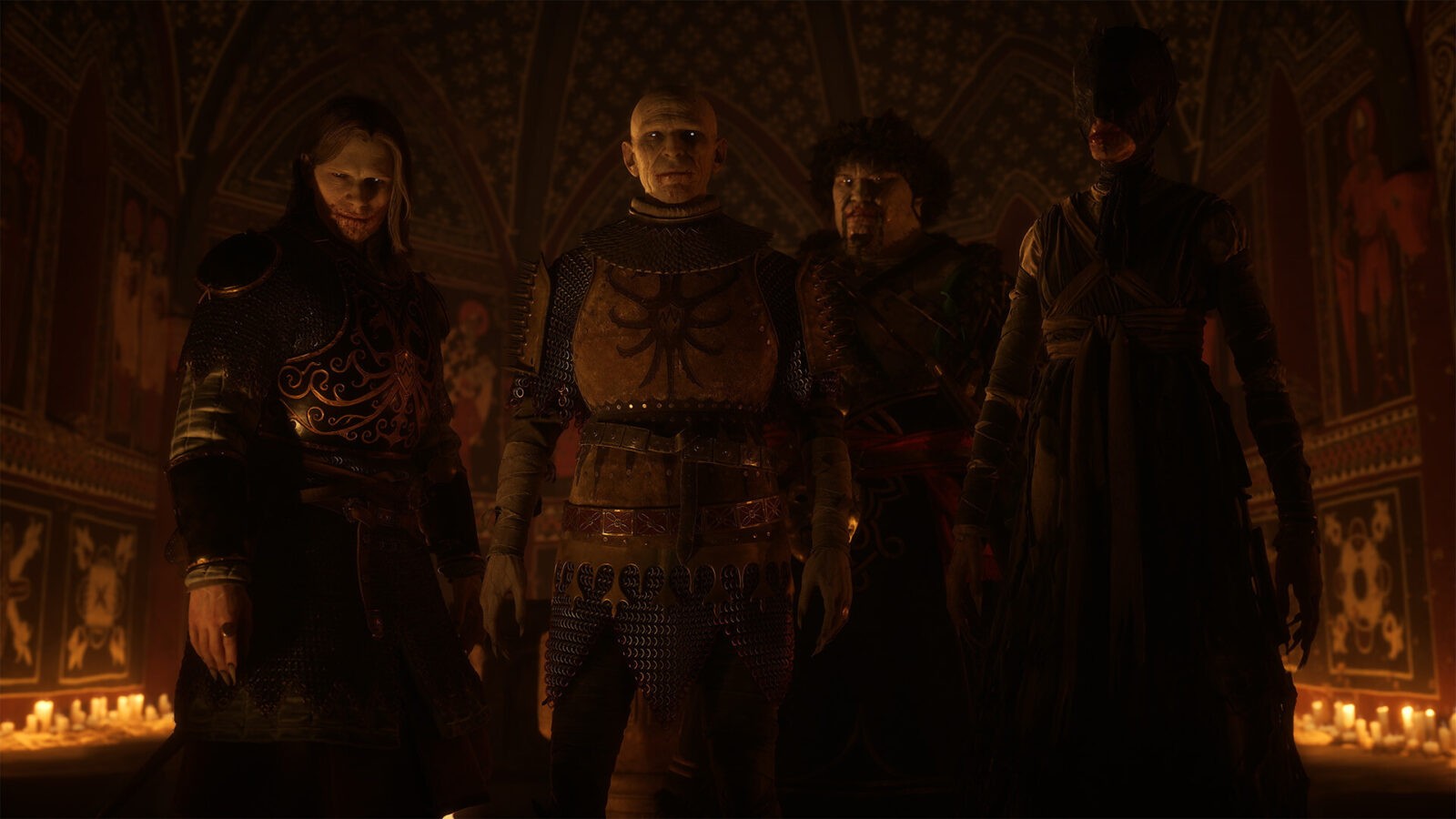
One of the mechanics that intrigued me most from the very beginning of the game is the one involving the Generals of Brencis.
Each general controls specific areas of the map, and through our actions, we can gradually provoke them—filling up what is essentially a "rage" meter.
Once this meter reaches its maximum, a dedicated mission is unlocked, finally allowing us to confront that general.
I found this concept truly compelling; for instance, it means that smashing barrels in the outposts of Ambrus isn't just a trivial side activity—it’s an outright declaration of war against the general in charge.
I especially appreciate how it gives tangible meaning to our actions within the game world and shapes how that world reacts to us.
And knowing that by continuing to cause trouble in a particular region, I would eventually trigger a showdown with the general who controlled it, kept me incredibly engaged.
The duel with Ambrus (no spoiler)
I will now briefly discuss one of the generals you can face in the game, in order to better illustrate an issue I encountered with the gameplay.
To keep spoilers to a minimum, I will speak in very general terms about the first general you might encounter—given how the game’s difficulty is structured. If you’d prefer to avoid any such details, feel free to skip ahead to the next section.
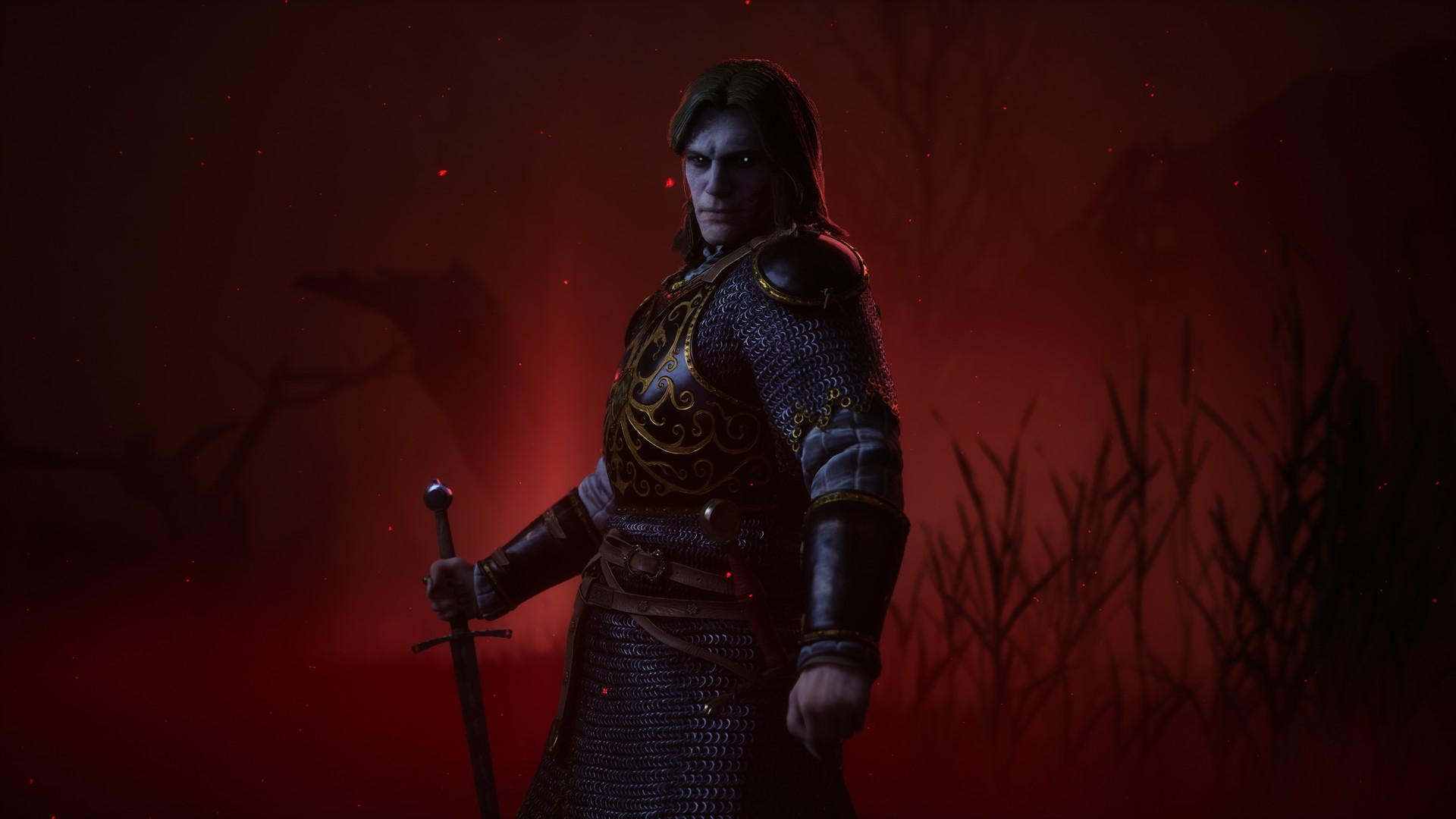
The first general I faced was Ambrus, and here lies a bit of a drawback; up until now, I’ve only highlighted the many positive aspects, but not everything that glitters is gold.
The duel—at least for me—wasn’t particularly engaging. Ambrus had a rather limited moveset, and despite his health bar having three distinct phases, he essentially kept repeating the same two attacks throughout the fight. As a result, the encounter felt quite easy and not very satisfying.
Given how *Dawnwalker* is structured, I assume Ambrus was intended to be one of the more accessible generals—especially considering the difficulty level assigned to him by Rebel Wolves. That said, nothing stops you from facing other generals first, or even skipping them entirely; after all, every action you take—or choose not to take—will lead you toward a different ending.
I reached this encounter at level 20, expecting something a bit more challenging. It wasn’t a bad fight, by any means, but it certainly wasn’t one that left a lasting impression.
Ironically, this is a shame, because I really loved the concept behind the Generals of Brencis.
I won’t go into detail about the subsequent bosses to avoid spoilers, but the situation is much the same across the board.
A technical aspect that leaves some room for doubt
If there is one aspect where *The Blood of Dawnwalker* left me less than convinced, it is the technical side.
Playing with an RTX 5080, DLSS enabled, and all graphical settings maxed out, I honestly expected something more.
*Dawnwalker* is a 2026 release, and considering the hardware I used to play it, the visual fidelity didn't quite measure up to what I would expect from a title of the current year.
What struck me most was the comparison to *The Witcher 3*.
We are talking about a game that is now over a decade old—and one that, even before the arrival of the full-fledged remaster slated for late September, still manages to deliver a level of technical and visual quality that I find superior to *Dawnwalker*.
In my personal view, this is perhaps one of the few areas where a comparison with *The Witcher 3* does not favor the game from Rebel Wolves.
That said, I certainly wouldn't lay the blame for this entirely on the studio.
Rebel Wolves is a relatively small team, and *The Blood of Dawnwalker* is their debut project.
Creating an open-world RPG of this scale—featuring an entirely original world, a vast amount of content, extensive dialogue, and such an ambitious gameplay system—is, in itself, a monumental undertaking.
For this reason, I view the technical aspect as a minor personal disappointment rather than a genuine flaw that compromises the overall experience.
In fact, given the size of the studio, the final result they’ve achieved is all the more impressive.
While the graphics didn't blow me away as I had hoped, the world that Rebel Wolves has managed to build won me over far more than its technical execution did. It is worth noting, however, the high-quality artistic direction, which partly compensates for the issue with the graphics—graphics that might have been acceptable 10 years ago.
Italian dubbing
Another aspect I absolutely must highlight is the Italian voice-over.
The very fact that it exists is worth noting.
A full Italian voice-over is by no means a given in RPGs of this scale—especially those featuring a massive amount of dialogue and spoken lines.
Just look at *The Witcher 3*, one of the most significant and celebrated RPGs of all time, which still lacks a full Italian voice-over to this day.
*Dawnwalker*, however, includes one—and, more importantly, it’s very well done.
The performances were convincing, making the dialogue feel significantly more immediate and engaging.
It’s the kind of detail that might seem secondary on paper, but in a game with such an extensive amount of dialogue, it makes a huge difference.
Personally, I usually prefer playing in the original language when an Italian voice-over isn’t available; but when an RPG offers one of this quality in our own language, it’s hard not to appreciate it.
Given the sheer scale of the project, I believe Rebel Wolves deserves credit for this decision.
It’s certainly not something to be taken for granted, especially in an open-world RPG of this magnitude.
FINAL VERDICT
PROS
· A captivating medieval fantasy setting, enhanced by a well-executed, constant sense of tension.
· A highly compelling day/night system that turns the passage of time into a genuine strategic mechanic.
· Great freedom in managing the 30 days at your disposal and the activities you choose to undertake.
· Extremely satisfying combat.
· Coen is a protagonist with whom it is very easy to empathize.
· An intense, brilliantly written prologue—one of the best I have ever experienced in a video game.
· The "Generals of Brencis" system is highly intriguing, providing a concrete purpose for your actions within the world.
· A beautiful soundtrack, featuring a particularly excellent main theme.
· Full Italian voice acting—a rarity for an RPG of this scale, and very well executed.
· Given the size of Rebel Wolves and the fact that this is their debut project, the game’s level of ambition is remarkable.
· A wide variety of possible endings, all of which are very well crafted.
· Excellent art direction.
CONS
· Technical aspects fall short of expectations, especially considering modern hardware (though this is understandable).
· Boss fights are, for the most part, rather simple and unengaging, featuring limited and unvaried movesets.
· The combat system is highly satisfying, yet it could become repetitive over the long term.
· Certain technical choices leave the impression that the game could have achieved more in terms of graphics.
VOTE: 8,7/10
Despite a few reservations—particularly regarding the technical side and the long-term variety of the combat—my overall experience has been extremely positive.
Dawnwalker has hit on a combination that I personally love: medieval fantasy, vampires, a horror atmosphere, exploration, freedom, and a time-based strategic element.
It delivered exactly what I always look for in an open-world RPG: that compelling urge to keep playing, just to see what lies around the next corner.
I hope this helps you decide whether to make a purchase. If you enjoy my writing, please consider checking out my other articles. Thanks for reading this far—until next time!