
Skyrim Taught Me to Slow Down: My Journey with Bethesda's Masterpiece
by Cristian Mazzini
There are video games that win us over from the very first minute, others that take a few hours to reveal their true potential, and then there are some that come into our lives at the wrong time, only to be rediscovered later, when we’re finally ready to appreciate them.
My story with *The Elder Scrolls V: Skyrim* falls squarely into that last category. Today, it’s one of the video games closest to my heart—a benchmark when I think of immersion, freedom, and a virtual world’s ability to make me feel at home. And yet, when I first launched it, it didn’t win me over the way I’d imagined.
I initially gave up on the game after just fifteen hours.
Looking back on it today, it makes me smile… I couldn’t have known then that this game—which at the time I considered just another adventure to finish so I could move on to the next title—would become one of the most important gaming experiences of my life.
To get to this point, I first had to realize one thing: sometimes, to truly appreciate a video game, you have to stop rushing.
The First Playthrough: An Adventure Experienced the Wrong Way
When I started Skyrim for the first time, I had a very specific goal: to follow the main story, reach the end, and move on to the next game as if checking items off a list… an approach that, come to think of it, pretty much sums up how we often approach video games when we have a long list of titles to catch up on.
I wanted to push forward in the adventure, find out what would happen, and reach the ending; everything else took a back seat. Side quests? Something to do later, if at all—and deep down, I already knew I wouldn’t do them. Cities to explore, characters to meet, and hidden places to discover? Elements that could wait.
The problem is that Skyrim isn’t a game that shows its best side when you rush through it just to reach the end credits—it’s no coincidence that not even half of the players have made it to the end.
That doesn’t mean the main story isn’t important, but focusing exclusively on it risks missing out on a huge part of what makes the experience special. Skyrim isn’t just the story of the Dragonborn and the threat posed by Alduin—it’s also everything that happens when you stray from the set path: the people you meet, the stories you stumble upon almost by accident, and the places where you find yourself spending hours without even planning to.
I, on the other hand, was ignoring all of this.
I was so focused on advancing the plot that I didn’t realize I was neglecting the very elements that would later make me fall in love with the game. I wasn’t immersing myself in its world, I wasn’t giving it time to tell me its stories, and, above all, I wasn’t allowing myself the chance to get lost in it.
I was simply trying to finish it as quickly as possible.
So, after about fifteen hours, I decided to set it aside. At that point, it hadn’t really grabbed me, and I didn’t feel the urge to continue. I thought maybe it wasn’t the right game for me, without realizing that perhaps I was the one who had chosen the wrong way to approach it.
Alduin and That Lesson I Still Hadn’t Learned
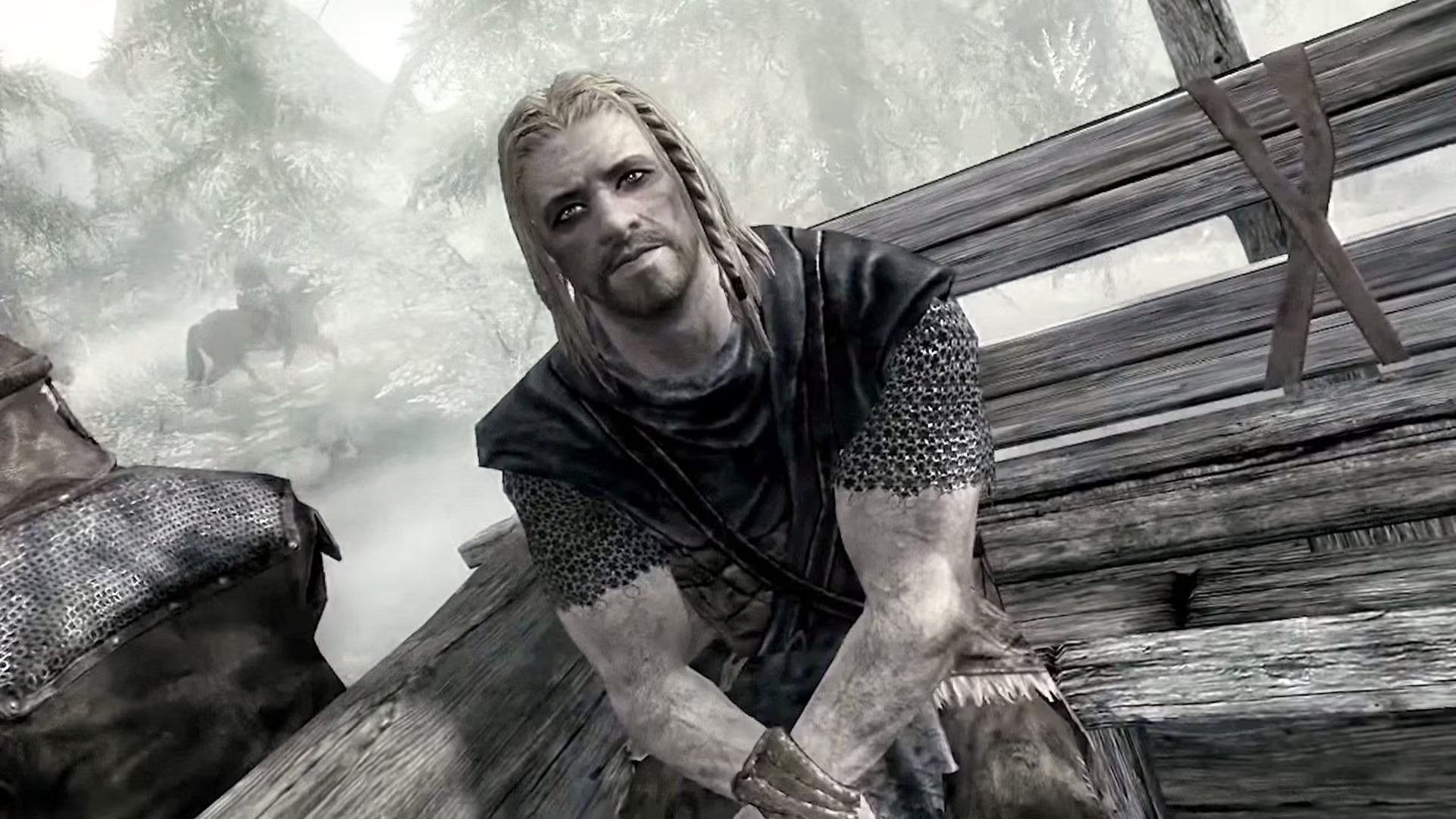
What made the problem even more apparent was my attempt to face Alduin at the mountaintop.
Having ignored practically all the side quests and devoted very little time to leveling up my character, I found myself facing one of the most important battles in the main story at a level that was decidedly too low. The result? A fight that seemed practically impossible to win.
It was almost ironic: I was in such a hurry to reach the end that I found myself stuck right in the middle of trying to get there.
Of course, the problem was also tied to my character progression and the way I’d been approaching the game.
Skyrim offers a great deal of freedom, and I was completely missing out on it.
Yet, at that moment, I didn’t truly grasp the significance of the situation I’d created for myself; I simply walked away from the game and turned my attention to something else.
I didn’t know yet that, some time later, I’d return to that very world with a completely different mindset. And that this second chance would radically change my relationship with Skyrim.
The Desire to Start Over
Sometimes it takes very little to change our perspective. In my case, part of the credit goes to a video by DadoBax dedicated to Skyrim.
Seeing someone talk about that game with such deep love, describe its charm, and convey just how much it meant to him made me look at that experience with fresh eyes.
Around that time, coincidentally, he had also started a new playthrough, and this helped spark my desire to return to exploring Tamriel.
I realized that perhaps I had judged Skyrim too quickly—not because I necessarily had to love a game just because someone else spoke of it with enthusiasm, but because I felt I hadn’t really given it a fair chance.
I’d seen part of its world, followed its story, and fought a few battles, but I’d never really tried to immerse myself in the experience.
So I decided to pick it up again.
This time, though, with one very simple rule: take my time, try to enjoy the journey without any pressure—an experience that, strange as it may seem, I’d never had before.
I no longer wanted to play with the sole goal of reaching the end; I wanted to discover what Skyrim had to offer beyond its main story, understand why so many people were still so attached to that world after so many years, and finally give myself the time to appreciate every aspect of it.
In short, I wanted to stop treating it like a game to be completed and start experiencing it as an adventure to be savored.
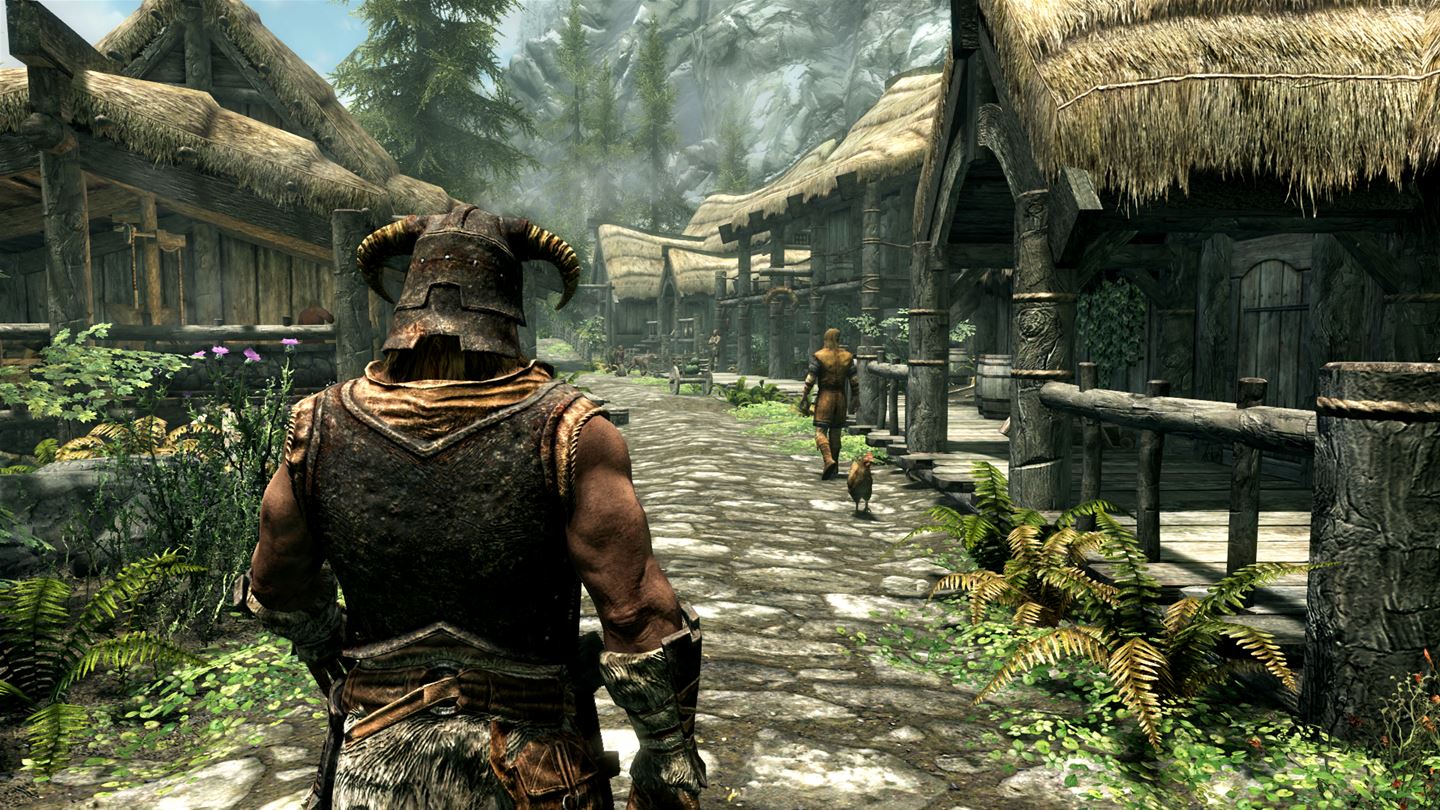
I stopped rushing and started enjoying the journey
The first thing I did was put the main quest completely aside.
Alduin could wait; the fate of Skyrim was no longer a priority, and for once, I didn’t feel the need to know right away how the story would end.
I devoted myself to side quests, explored the cities, ventured into places I’d ignored during my first playthrough, and began paying attention to everything happening around me. I didn’t have a schedule, I wasn’t trying to optimize every session, and I wasn’t worried about how much was left until the end.
If a path caught my eye, I followed it; if I met an interesting character, I tried to discover their story; if I saw a place in the distance, I took the time to reach it and explore it.
It was precisely thanks to this approach that Skyrim began to show me its best side.
I began to appreciate the variety and depth of its quests, the charm of its landscapes, and that sense of freedom that lets you move from one adventure to the next without feeling constantly guided by an invisible hand.
I learned to enjoy the walks, the moments of tranquility, and even those lulls during which, seemingly, nothing was happening.
But perhaps what immersed me the most of all was the soundtrack.
Jeremy Soule’s compositions, which I was already familiar with, took on a different meaning. “Far Horizons,” “From Past to Present,” and “Secunda” were no longer just beautiful tracks to listen to while I played—they had become an integral part of my journey.
The music, the landscapes, and the more relaxed pace of exploration came together in an experience I’d never had during my first playthrough.
Finally, I wasn’t thinking about the next goal anymore; I was simply living in the moment.
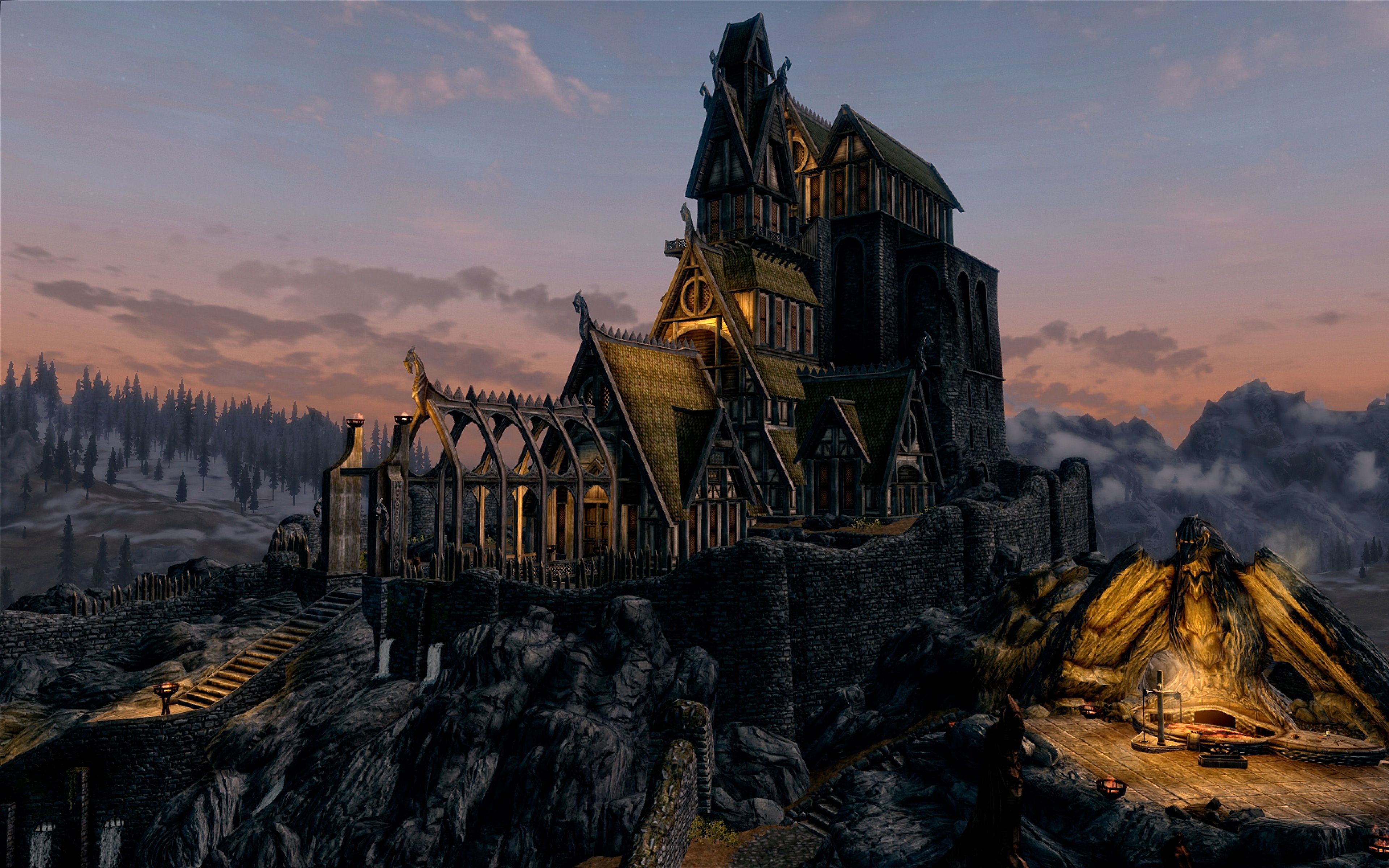
The Real Discovery
I believe this was the most important lesson Skyrim taught me, beyond the game itself.
We live in an era where we have access to a huge number of video games; new releases come out every month, our backlog keeps growing, and we often end up jumping from one title to the next with the feeling that we have to catch up on everything as quickly as possible.
I’ve found myself in this situation too: starting a game, focusing on its main objectives, trying to finish it, and then immediately moving on to the next one, as if the value of an experience were tied to how quickly we could complete it.
But what’s the point of having dozens of wonderful worlds at our disposal if we don’t give ourselves the time to experience them?
Skyrim made me realize that not every video game needs to be approached the same way… there are experiences where the plot is at the heart of everything, and others that work primarily through atmosphere, exploration, and the freedom to forge your own path.
In some cases, I want to know right away what’s going to happen; in others, however, I’d rather not rush to the conclusion.
Skyrim definitely falls into the second category.
It didn’t teach me to give up on completing everything, to ignore the main storylines, or to necessarily spend hundreds of hours on every game… it taught me something simpler: you shouldn’t turn a passion into a checklist.
If we like a world, we can stop and explore it; if a side quest intrigues us, we can devote an entire evening to it; and if we don’t feel like continuing the main story, there’s nothing wrong with leaving it on hold.
We don’t always have to rush toward the next adventure; sometimes, the one we’re already in could be a memorable journey that we’ll remember for the rest of our lives—one we would have missed if we’d rushed past it.
The Return to Alduin and the End of the Journey
After exploring, completing side quests, and spending much more time leveling up my character, the time finally came to return to the main story.
This time, I had more than doubled my level, and I felt I had experienced enough of the world of Skyrim to face Alduin’s threat once again.
The battle that had seemed practically impossible during my first playthrough turned out to be much more manageable; I was better prepared, had a better grasp of the mechanics, and had spent the necessary time making my character strong enough.
But the most important difference wasn’t just the level I’d reached… this time I had a connection to that world; I wasn’t simply trying to defeat the final enemy to see how the story would end—I was concluding an adventure in which I’d finally invested time, curiosity, and, above all, emotion.
When I reached the end, Skyrim was no longer the game I’d abandoned after fifteen hours; it had become something much greater.
I understood why that world was so beloved, why people kept returning to it, and why a single melody or landscape was enough to bring back such powerful feelings.
I’d managed to experience it in the way that felt right to me.
Too bad that, once it was over, a problem I hadn’t anticipated in the least was waiting for me.
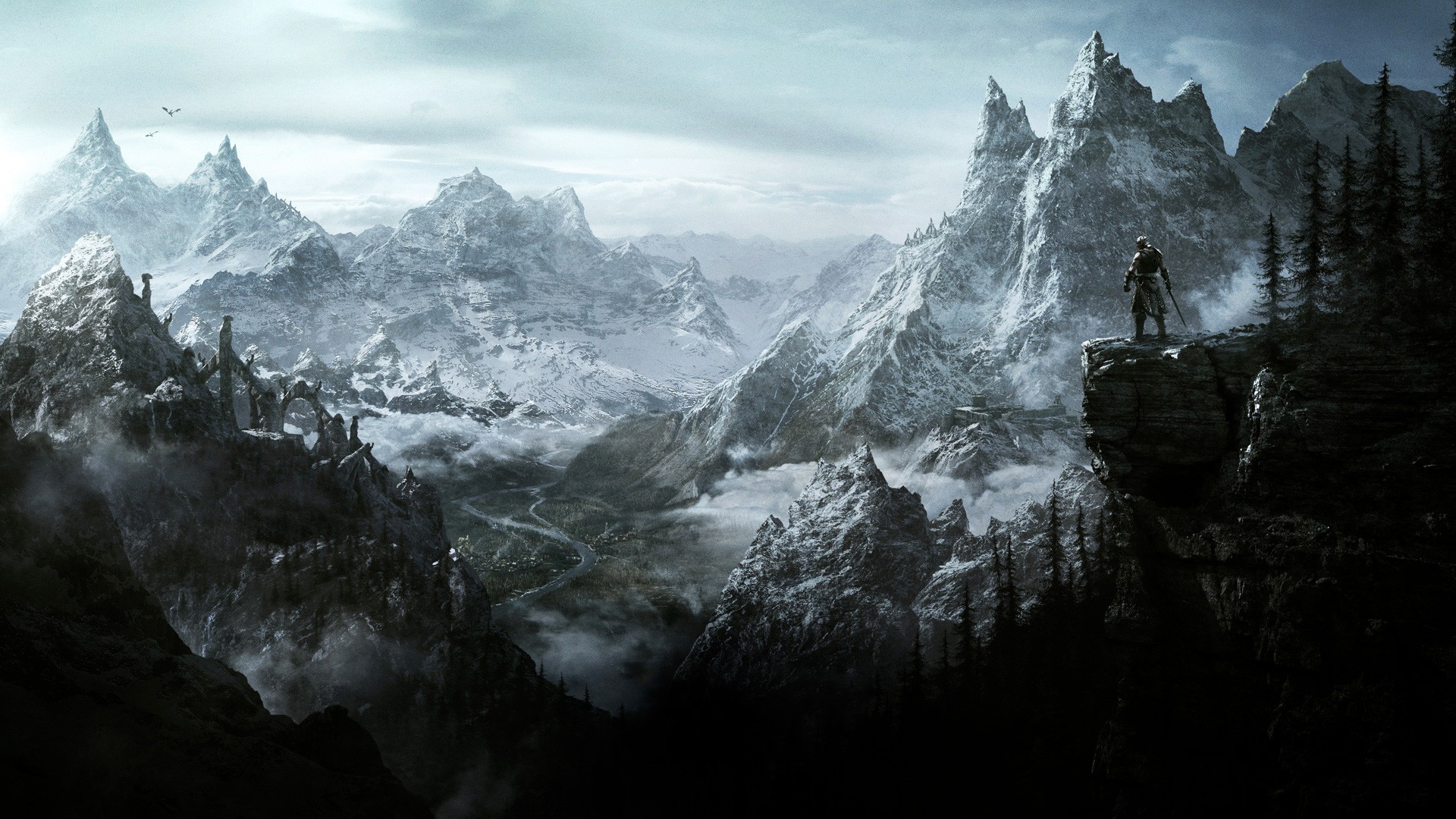
The Emptiness After Skyrim
There are games that, once finished, leave us satisfied—we’ve experienced a great story, met memorable characters, and witnessed an ending that allows us to close that chapter of our gaming life.
Then there are games that end, but that we somehow continue to miss… for me, Skyrim was—and still is—exactly like that.
After finishing it, I was left with a void that’s hard to describe—so much so that I almost completely lost the desire to play any other video game for days on end. I tried to think about what to start next—which world to explore or which story to follow—but nothing seemed to spark the same enthusiasm, so I’d give up on everything after just a few hours.
It wasn’t necessarily a matter of quality; it doesn’t mean that all the other games were worse or that no other experience could excite me.
It was simply the fact that, after immersing myself so deeply in Skyrim, I needed time to leave it behind.
I missed that world; I missed its atmosphere, its soundtrack, and that feeling of getting lost among Skyrim’s snow-capped mountains without knowing where I’d end up; I even missed the chance to spend an entire session doing nothing particularly important, simply exploring and enjoying the journey.
And perhaps that’s the clearest sign of just how much a video game has managed to leave a mark on you.
It’s not just about remembering a spectacular battle, a plot twist, or a character that moved us… often it’s about missing a place where we spent so many hours, as if it had become a small part of our daily lives.
Skyrim had captivated me to such an extent that it was difficult, at least for a while, to find anything that could replace it.
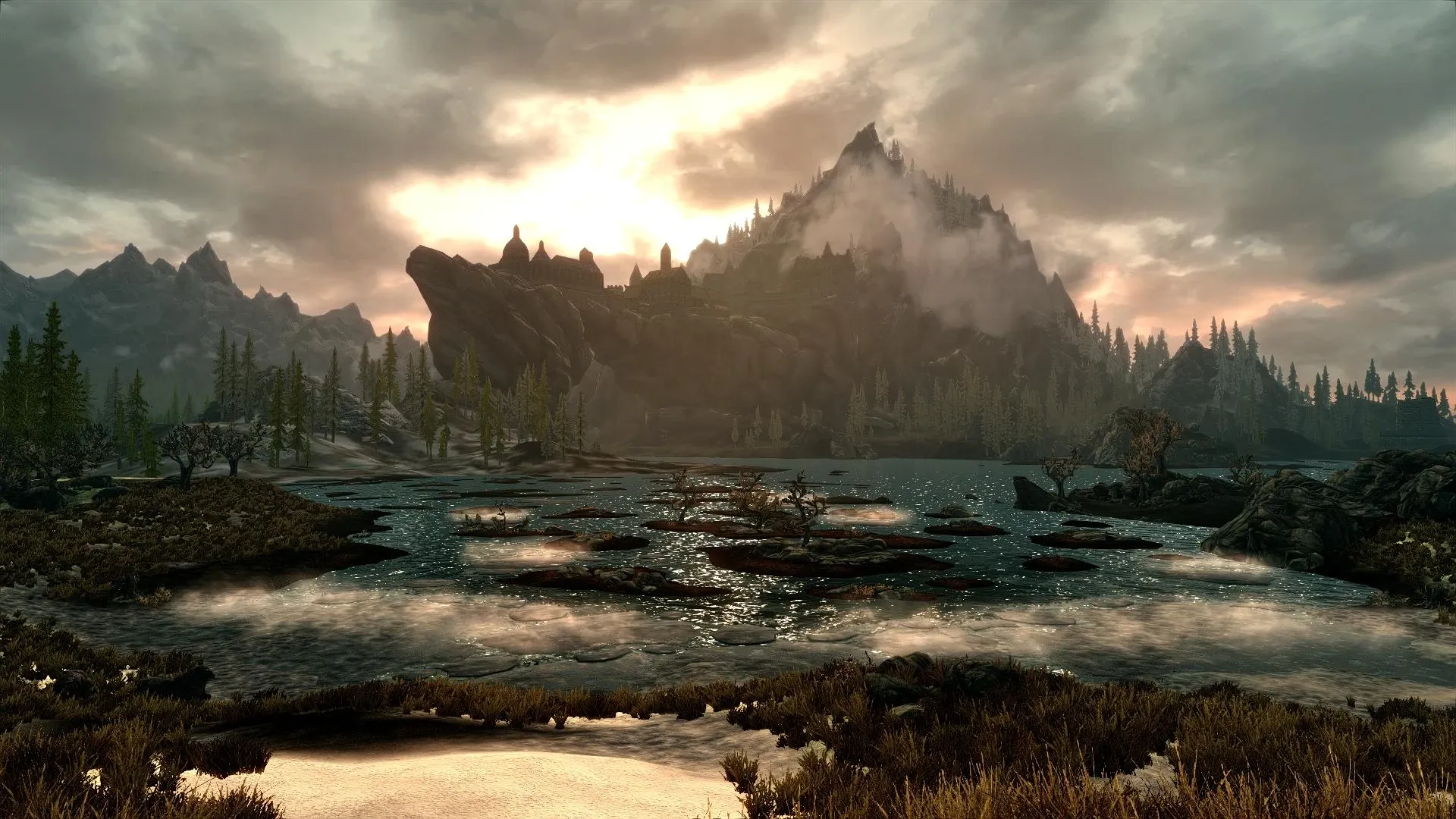
How do I feel about it today?
Even now, every once in a while, I feel like starting Skyrim over from scratch.
Not just to relive what I’ve already experienced, but to discover how a new adventure might be different. During my first playthrough, I chose to side with the Empire; this time, I’d like to try allying with the Stormcloaks, observe events from a different perspective, and see what differences might emerge.
And then there’s everything else: a new character, a different combat style, quests to tackle in a different order, and others I probably missed before.
The great thing is that I don’t feel the need to start right away; knowing that Skyrim is still there, ready to welcome me whenever I feel like it, is already part of its charm.
Because by now I’ve realized that many games—especially open-world RPGs—aren’t games you tackle just to clear space in your backlog; they’re experiences to be savored when you feel like taking some time for yourself, slowing down, and letting yourself be carried away.

Skyrim didn’t just teach me to play differently
Looking back on my experience, what strikes me most is the journey I’ve taken: from a game I abandoned after fifteen hours to one of the virtual worlds I feel most connected to.
Skyrim hasn’t changed; the way I experience it has.
Perhaps that’s also why Skyrim continues to be so important to me—it’s not just a memorable gaming experience, but it reminds me that, every now and then, it’s worth pausing and shifting my perspective.
We don’t always have to finish a game to say we’ve truly experienced it; we don’t always have to move on immediately to the next one; and the best way to enjoy an adventure isn’t always to reach its conclusion as quickly as possible.
Sometimes all it takes is to slow down, immerse yourself in the music, take in the scenery, and let yourself be surprised by what the world has to offer—even in the little things.
That’s what I’ve learned thanks to Skyrim, and it’s also why, even today, I feel the urge to return to that world, start from scratch, and embark on a new adventure.
Because some experiences don’t just leave us with memories—they help us understand what we’re really looking for when we play.
And when I think of Skyrim, I know exactly what I’m looking for… a world in which to lose myself, without being in a hurry to find my way home.