
Why it no longer makes sense to play on PlayStation
by Cristian Mazzini
Between the abandonment of physical media, Collector’s Editions that don’t include the game, failed live-service titles, and a strategy that has become increasingly difficult to fathom, Sony seems to be doing everything in its power to alienate its own fanbase.
There was a time when owning a PlayStation meant having access to some of the most incredible gaming experiences on the market; "PlayStation" was synonymous with quality.
Growing up with Sony consoles meant forming attachments to unforgettable characters, discovering new franchises, and eagerly awaiting the next major release from PlayStation Studios.
Today, however, I find myself asking: what is the point of continuing to invest in the PlayStation ecosystem in 2026?
It’s not that Sony no longer knows how to create high-quality video games—it would be absurd to deny the value of titles like *God of War*, *The Last of Us*, *Marvel’s Spider-Man*, or *Ghost of Tsushima*. The problem is that, looking at the company’s decisions over the last few years, I increasingly get the feeling that the player is no longer at the heart of it all; instead, the focus has shifted to monetizing every possible aspect of the gaming experience.
And some of their recent moves seem to confirm this impression.
The future without physical games
Let’s start with the issue that has caused the most stir recently: the future of physical media.
Sony has announced its intention to cease production of physical discs for PlayStation games starting in January 2028—a decision driven by the market’s ongoing shift toward digital. While the company has acknowledged consumer concerns, it intends to move forward with this transition, albeit cautiously.
I fully understand that the market is changing and that digital sales now account for the majority of purchases—but that doesn’t mean physical media has lost all its value, nor should enthusiasts of the classic format or collectors be the ones to suffer.
A disc is a tangible copy that you can collect, lend, resell, or keep. A digital library, by contrast, remains tied to the terms and infrastructure of the platform that hosts it.
This doesn’t mean every digital game will vanish tomorrow, or that every license will be revoked; it does mean, however, that by gradually abandoning physical media, consumers lose both choice and a degree of control over their own purchases.
And why is this happening? Is it simply because the market is shifting toward digital? Or is it because an ecosystem where everything is purchased through a single storefront is simply more profitable for those who run it?
It’s a fair question—one I’ve explored in greater depth in an article dedicated to the preservation of video games, which I encourage you to check out.

Collector’s Edition without the game: have we really reached this point?
As if the whole issue regarding game discs weren't emblematic enough, yesterday brought another piece of news that I find difficult to justify.
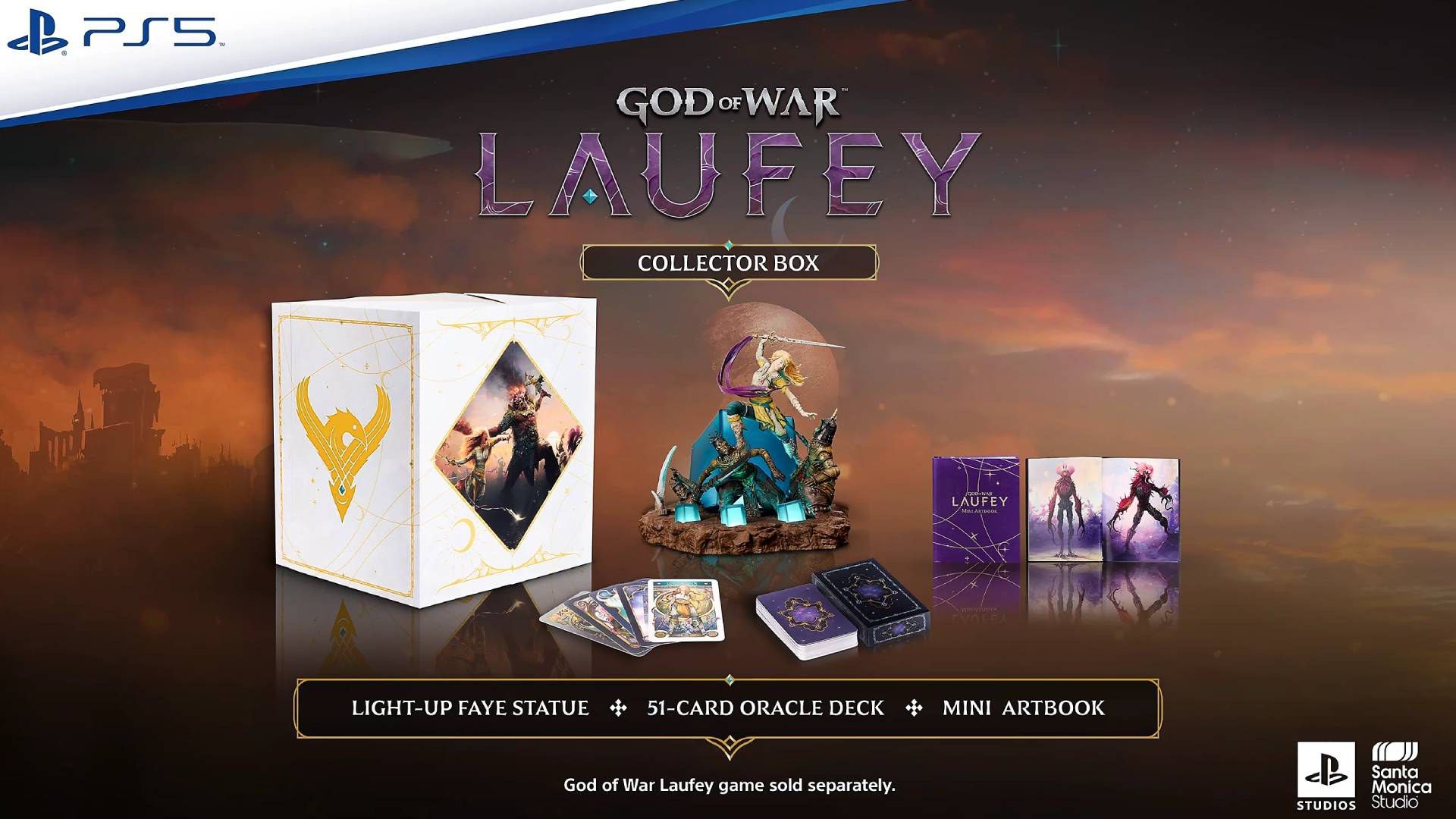
The *God of War: Laufey* Collector Box includes an illuminated statuette of Faye, a 51-card deck, and an artbook. It all sounds very nice—on paper, at least. The catch? The package doesn't include a copy of the game—neither physical nor digital. Anyone who wants to play it will have to purchase it separately.
Now, we could debate for hours about the value of statuettes, the pricing of collector’s editions, and a company’s freedom to offer various types of products—after all, it’s ultimately up to the end user to decide whether or not to buy a collector’s item—but I still find it absurd that a collector’s edition dedicated to a video game might not actually include the game itself.
A collector’s edition should represent the most comprehensive way to celebrate a work, not just a bundle of items missing the very product around which everything else revolves.
The message sent to the consumer is quite clear: want to collect? Pay up. Want to play? Pay again.
And then we wonder why a segment of the community is becoming increasingly frustrated.
Have games all become the same?
There is also a purely creative issue.
In recent years, many major PlayStation titles have followed a recognizable formula: cinematic adventures, worlds packed with activities, spectacular combat, a heavily guided narrative, and a strong focus on technical presentation.
It is a formula that has produced excellent games, and I don’t consider it inherently wrong. The problem arises when it becomes so dominant that it creates the impression that every new production must necessarily conform to this same model.
I would like to see more courage, more variety, and more projects capable of truly surprising us—even if that means moving away from blockbuster-level graphics or budgets in the hundreds of millions.
After all, a video game doesn’t have to be an interactive movie to be a masterpiece. Nor does it need a massive map to offer a memorable experience.
The result is a market saturated with highly expensive, homogeneous products, where the fear of failure has stifled any willingness to take risks.
The rush toward live-service games and the wasted money
And this brings us to what I consider, arguably, one of Sony’s most glaring strategic blunders: the push into "live service" games.
For years, the company invested heavily in the prospect of creating games capable of generating ongoing revenue, focusing on multiplayer experiences designed for long-term engagement. The problem is that this market is fiercely competitive; having a massive budget or a famous brand is no guarantee of success.
The most striking example is *Concord*: the game was taken offline just two weeks after its launch, and the studio behind it, Firewalk, was shut down. Meanwhile, Sony has scrapped other live-service projects, including a multiplayer game set in *The Last of Us* universe and a project tied to *God of War*.
We’ve also seen other instances, such as *Helldivers 2*—which has had a complex journey—and Bungie’s upcoming *Marathon*, which currently finds itself on a knife’s edge.
It begs the question: how many resources were poured into chasing a trend that has repeatedly failed over the years, yielding absolutely nothing?
Instead of investing in titles fans have been clamoring for—like a new *Sly Cooper* or a remaster of *Bloodborne* (which would essentially be a license to print money without even requiring new creative concepts)—they have chosen to squander funds on doomed live-service projects that nobody asked for.
Above all, how many single-player games could have been created with that capital? How many new intellectual properties might we have discovered? How many diverse experiences could have enriched the PlayStation catalog?
We cannot know for certain what games might have been developed in place of those that were canceled. What we do know is that this strategy has resulted in failed investments, project cancellations, and real-world consequences for the studios involved.
And all of this happened while many players were simply asking for more great, single-player games.
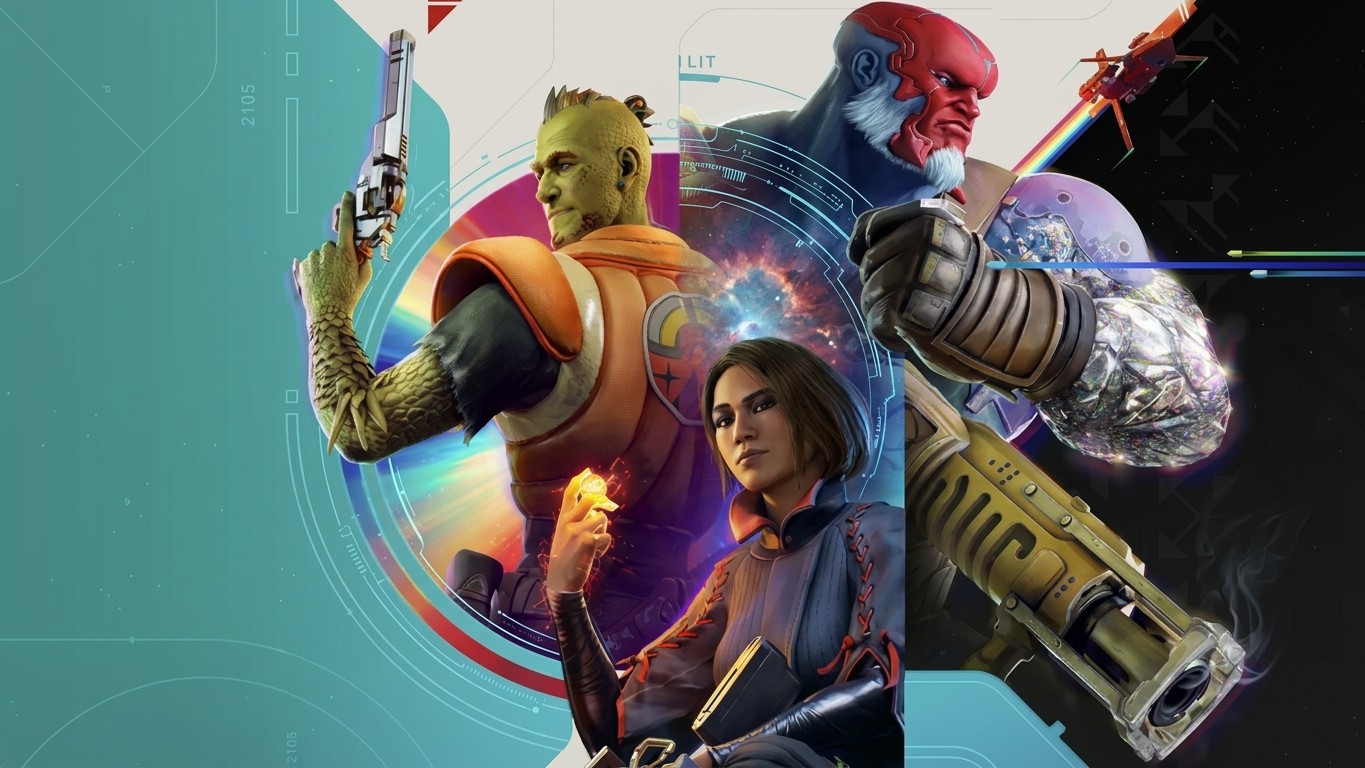
And the PC? before yes, but now no.
Finally, there is a decision that affects me personally.
In recent years, Sony had begun bringing many of its single-player exclusives to PC, allowing those who didn’t own a PlayStation to experience titles like *God of War*, *Marvel's Spider-Man*, and *The Last of Us*.
It was a strategy that made sense: reaching more players, generating new revenue, and introducing their franchises to a wider audience.
In 2026, however, Sony changed course, shifting its focus back to console exclusives for major narrative-driven, single-player titles. This move was reported by Bloomberg and further signaled through PlayStation’s official communications.
For someone like me—who invested in a powerful PC specifically to play games under the best possible conditions—this is far from good news.
I don’t want to be forced to buy a console just to play a single title, especially when I already have a platform capable of high-end performance—a platform where I’m currently building my game library.
What bothers me most isn’t necessarily the loss of PlayStation exclusives—after all, they aren’t really my focus, and I don’t care about them all that much (plus, Nintendo has essentially always operated this way). What is frustrating is the change in direction: doing things one way, only to reverse course shortly after.
I understand Sony’s need to sell hardware—it’s a business, and it has to generate profit—but in this case, the user seems to have been relegated not just to the background, but to an afterthought. Naturally, this breeds discontent among players, and the brand’s most loyal fanbase has been left deeply disappointed.
And, above all, it doesn’t mean that users should be expected to simply go along with it.
In conclusion
I don’t believe PlayStation is dead. Nor do I think Sony has forgotten how to make video games.
However, I do believe that in recent years, the company has made a series of decisions that make it increasingly difficult for some enthusiasts to identify with its vision for the future.
Less emphasis on physical media, collector’s editions that don’t include the actual game, massive investments in multiplayer projects that were ultimately canceled, and a PC strategy that shifts direction just as it seemed to be finding its footing.
Taken individually, each of these decisions might have a sound commercial justification. The problem lies in their cumulative effect on the relationship between Sony and its customers.
A gamer is more than just a source of revenue; they are an individual who invests time, money, and passion into an ecosystem—often for many years. When they begin to feel that every decision is designed to limit their options or push them to spend even more, it’s only natural for them to start looking elsewhere.
That’s what I’ve done.
Today, I prefer to invest in my PC and my Steam library—despite the inherent limitations of digital-only content—rather than remain tied to a platform that seems to be drifting further and further away from what I’m looking for.
This doesn’t mean I’ll never play a PlayStation exclusive again, nor does it mean that every choice Sony makes is wrong. It simply means I no longer feel the need to be loyal to a brand regardless of its actions.
Gamer loyalty is not an auto-renewing subscription.
If PlayStation wants to remain a home for enthusiasts, it must remember that great games alone aren’t enough to build a lasting relationship. It also requires trust, respect for the consumer, and a vision for the future that doesn’t sacrifice everything else on the altar of profit.
Because gamers can switch platforms—and, sooner or later, they might even stop waiting altogether.